
How an NFC Emergency Health Card Keeps Your Family Safe
A tap-and-scan NFC emergency health card that shows allergies, medications, and emergency contacts instantly. Keep your family safe when every second matters.
May 29, 2026 · 8 min read
Imagine this: your elderly father is at the grocery store when he feels dizzy and collapses. A bystander rushes to help but has no way of knowing about his diabetes, his blood pressure medication, or the emergency contact number for your mother. Paramedics arrive, and every question they ask is a guess. The minutes stretch while someone tries to unlock his phone, search for ICE contacts, or call a family member who might know his medical history.
Now imagine a different scene. The same collapse, the same bystander. But this time, they find a slender wallet card in his pocket with a simple tap or scan. Within seconds, a screen opens showing his blood type, allergy to penicillin, current medications, and a direct line to his emergency contact. The paramedics have what they need before the stretcher arrives.
That second scene is possible with the Qissa Emergency Health Card, an NFC and QR wallet card that puts critical medical information into the hands of helpers when it matters most.
What Is an NFC Emergency Health Card?
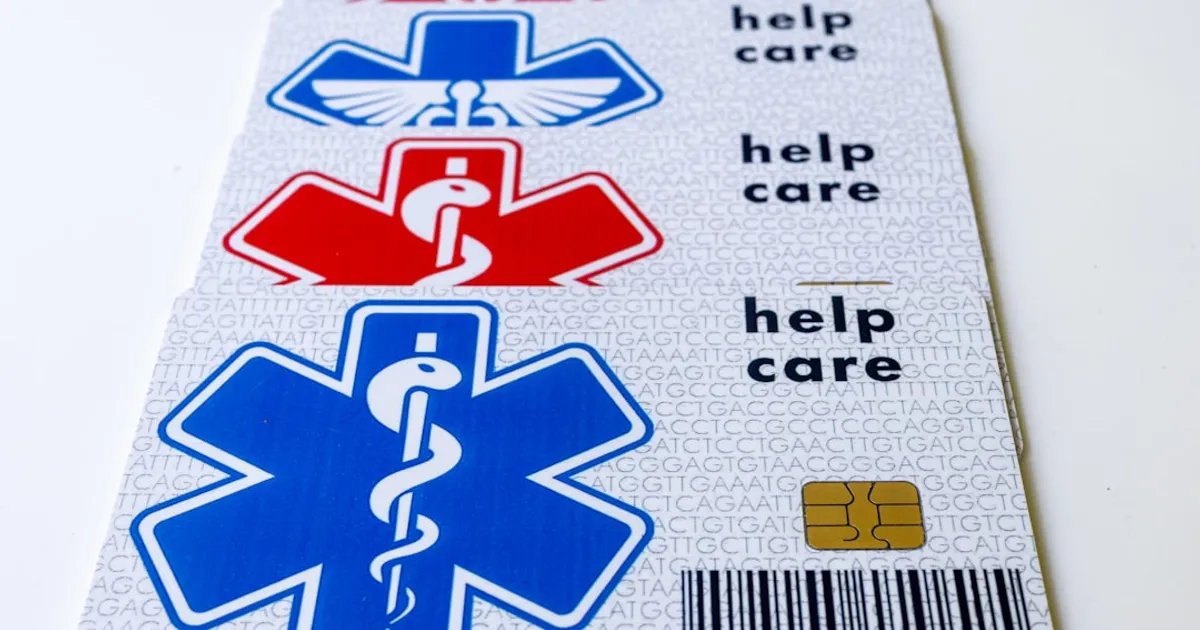
An NFC emergency health card is a physical wallet card that stores a link to a secure online medical profile. When someone taps the card with their phone (NFC) or scans the printed QR code, the profile opens instantly. No app installation. No password. No fumbling through a locked phone.
The concept is simple: the people who find you in an emergency only need one thing from your phone to help: your medical information. An NFC health card makes that information the very first thing they see, not something buried behind a lock screen, a dead battery, or a forgotten passcode.
The Qissa Emergency Health Card combines both NFC tap and QR scan technology, so every modern phone can access the profile regardless of the phone model or operating system. It works on iPhones, Android devices, and any mobile browser.
Who Needs an Emergency Medical ID Card?
The honest answer is almost everyone. But some people need one more urgently than others.
Elderly Parents and Seniors
Age brings medical complexity. Multiple prescriptions, chronic conditions like diabetes or hypertension, allergies that develop later in life, and an increased risk of falls or confusion. For seniors who live alone or spend time out of the house without a caregiver, an emergency medical ID card can mean the difference between rapid, correct treatment and dangerous guesswork.
One study found that up to 40 percent of older adults in emergency rooms have unrecognized cognitive impairment, meaning they cannot reliably answer questions about their own medical history in a crisis. A card that speaks for them removes the guesswork.
If your parents carry a wallet, they can carry this card. It does not require them to remember anything, charge anything, or navigate a smartphone under pressure.
People With Allergies and Chronic Conditions
A severe allergy to penicillin, nuts, or insect venom turns every medical encounter into a risk calculation. So does a condition like epilepsy, asthma, or sickle cell disease. When a patient cannot communicate, the treatment team must either wait for records or make assumptions. Both options waste time.
An emergency health card lists allergies, conditions, and medications in clear text that a paramedic or ER nurse can read in seconds. The card also provides space for notes that might save a life: "Use EpiPen before intubation" or "Patient has a pacemaker."
Travelers
Travel takes people out of reach of their usual doctors, pharmacies, and medical records. A traveler who has an allergic reaction in a foreign city may not speak the local language well enough to describe their medical history. An emergency health card bridges that gap with a simple tap.
The card is especially valuable for travelers with pre-existing conditions who need to ensure that an unfamiliar healthcare system gets their history right. It fits in a passport sleeve, a carry-on pocket, or a travel wallet.
Families With Children
Children with allergies, asthma, or rare conditions need someone to advocate for them when a parent is not present. An emergency health card carried by the child or kept in their school bag gives teachers, coaches, and babysitters instant access to the information they need.
For children who are too young to speak for themselves, the card becomes their voice.
What Information Should Go on Your Emergency Health Card?
A well-designed emergency health card should cover the essentials that first responders look for in a crisis. The Qissa Emergency Health Card profile includes sections for:
- Blood type: critical for transfusion decisions
- Known allergies: especially drug allergies that could cause anaphylaxis
- Current medications: names, dosages, and frequency
- Chronic conditions: diabetes, epilepsy, heart disease, asthma, and others
- Emergency contacts: names and phone numbers of family members or caregivers
- Primary care physician: name and contact information
- Additional notes: surgical history, implants, pacemakers, living wills, or special instructions
The card profile is private by default. Only the information you choose to make visible on the public tap page is shared. Everything else stays behind a secure panel that only verified helpers can access.
How the Qissa Emergency Health Card Works
Setting up the card takes a few minutes. Here is how it works from start to finish.
Step One: Create Your Profile
You receive the physical card and navigate to the setup link provided with it. Using any phone or computer, you fill out the medical profile with the information you want available in an emergency. You can include as much or as little detail as you choose.
Step Two: Keep the Card in Your Wallet
The card is designed to the size and thickness of a standard credit card. It slides into any wallet slot, card holder, phone case pocket, or passport sleeve. Because it is physical, it does not depend on battery life, cellular signal, or remembering to charge it.
Step Three: Tap or Scan in an Emergency
When someone finds you and sees the card, they tap it with their phone or scan the QR code. The phone reads the embedded NFC chip or QR link and opens the medical profile in the browser. No app required, no login needed, no waiting.
The card works even if the phone has no signal. The profile data is cached and accessible offline for the most critical fields.
Privacy Stays Protected
The public profile shows only the information you want strangers and first responders to see: typically allergies, conditions, and emergency contacts. Your home address, private medical records, and other sensitive details can remain hidden behind a secure access panel.
What You Get With the Qissa Emergency Health Card
The product includes everything you need to set up and use your emergency health profile right away:
- A premium NFC and QR wallet card
- An emergency health profile page
- Dedicated sections for medications and allergies
- An emergency contact panel
- Simple setup instructions
There are no subscriptions, no recurring fees, and no app to install. You own the card, you control the profile, and you update it whenever your medical information changes.
Why a Physical Card Beats a Phone-Only Medical ID
Phone-based medical IDs, like Apple's Medical ID or Android's emergency information settings, are useful features. But they have limitations that a physical card does not.
A phone can run out of battery at the worst possible moment. A phone can be locked with a passcode that a bystander does not know. A phone can be lost in the same accident that leaves someone unconscious. And in many emergencies, the first instinct of a bystander is not to unlock a stranger's phone. They will check a wallet or bag for identification.
A physical NFC health card is always on the person, always visible, and always accessible. It does not require the phone to be functional because it works with any phone that happens to be nearby.
Who Should Carry One
Consider an emergency health card for:
- Your parents, especially if they live independently or manage multiple medications
- Your children, especially if they have allergies, asthma, or a medical condition
- Yourself, if you travel, have any chronic condition, or simply want the peace of mind that your emergency contacts are always accessible
- Anyone with a condition that could cause sudden incapacitation, including diabetes, epilepsy, heart conditions, severe allergies, or any diagnosis where seconds matter
The card is small enough to fit anywhere and durable enough to last years in a wallet.
The Bottom Line
Emergencies do not announce themselves. They happen in the middle of a grocery run, on a family vacation, during a morning walk, or at a child's soccer game. When they do, the people who want to help need information fast. An emergency health card gives them exactly that: the facts they need, in the format they can use, at the exact moment it counts.
The Qissa Emergency Health Card turns a simple wallet card into a lifeline. One tap connects helpers to the information that can prevent misdiagnosis, avoid dangerous drug interactions, and bring a worried family member to the phone.
Get the Qissa Emergency Health Card and give your family one less thing to worry about.
Read next
Keep building the family archive.
These guides connect the next question, recording habit, or heirloom idea so the archive feels easier to keep building.
May 29, 2026 · 8 min read
Keep Your Mother Tongue Alive Through Family Storytelling
Diaspora parents worry their kids will lose their mother tongue. Here is how family stories can help keep Urdu or Hindi alive across generations.
May 27, 2026 · 8 min read
Preserve Your Family's Eid Traditions Before They Fade
Eid traditions shape South Asian diaspora childhoods. Preserve them in a family legacy book before the stories, recipes, and rituals fade across generations.
May 26, 2026 · 10 min read
The Father's Day Gift That Preserves Your Dad's Legacy
This Father's Day, give your abbu more than a tie. Preserve his story in a bilingual legacy book your family will read and treasure for generations to come.
Preserve the voice too