
NFC Pet Tags: The Smartest Way to Find a Lost Dog or Cat
NFC pet tags help lost dogs and cats get home faster by letting anyone with a phone tap or scan to contact you. No app needed, no subscription, and your private details stay protected.
May 23, 2026 · 8 min read
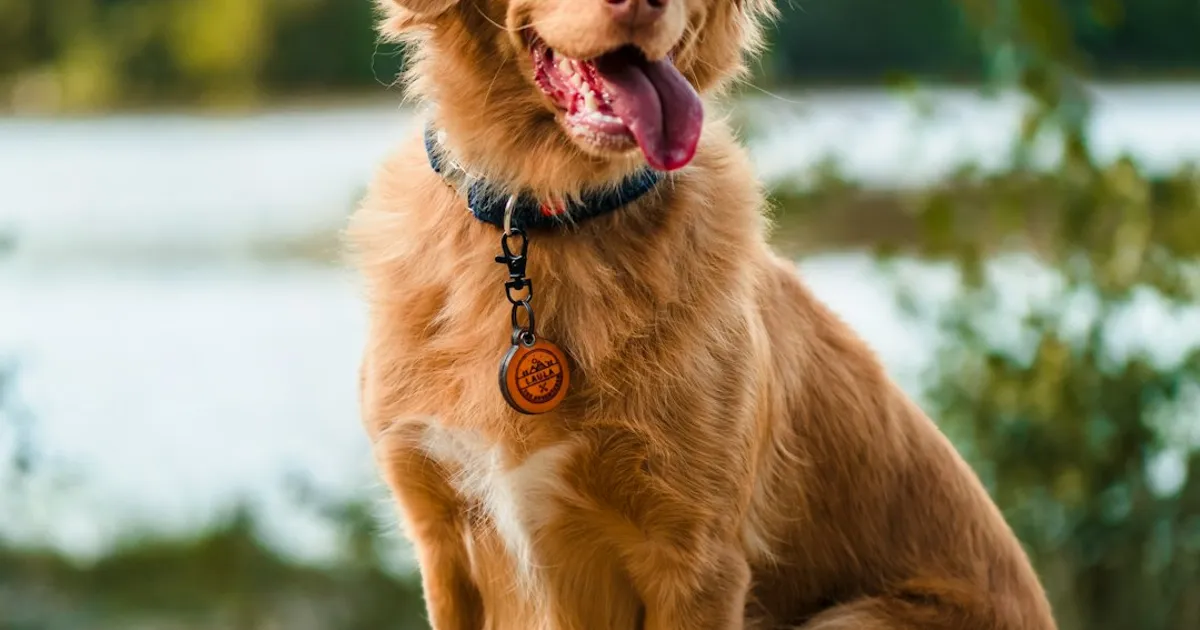
You open the door for two seconds to grab the delivery. The cat bolts. The dog slips past your legs. The gate latch did not catch. One moment they are there, the next they are gone.
Every pet parent knows that feeling — the hollow drop in your stomach when you realise your dog or cat is missing. According to the American Humane Association, one in three pets will go missing in their lifetime. And for every minute you spend searching, the radius they cover grows wider.
What if the person who finds your pet could contact you instantly — without an app, without a password, without calling around to shelters? That is exactly what an NFC pet tag does.
What is an NFC Pet Tag?
NFC stands for Near Field Communication. It is the same short-range wireless technology you use to tap your phone for contactless payments. An NFC pet tag is a small chip embedded in a durable collar tag or card that stores a link to your pet's digital profile.
When someone finds your lost dog or cat, they tap their phone against the tag — or scan the QR code printed on it — and a secure profile page opens instantly. They can see safe return instructions and the best way to contact you. No typing in URLs. No guessing phone numbers off a worn engraving. One tap.
The key difference between an NFC pet tag and a traditional engraved tag is information. A metal tag holds maybe 15 characters — barely enough for a phone number. An NFC tag can link to a full profile: your pet's name, medical needs, behaviour notes, multiple contact numbers, and a message from you to the finder.
NFC Pet Tag vs Microchip vs GPS Tracker
Pet parents often confuse these three technologies, but they serve completely different roles. Here is how they compare — and why you need all three, starting with the NFC tag.
Microchip: The Permanent Backup
A microchip is a rice-sized RFID implant placed under your pet's skin by a vet. It is permanent and does not need batteries. It is also the legal standard for pet identification in most countries.
The problem: Only animal shelters, vets, and animal control officers have microchip scanners. The average person who finds your dog in the street cannot scan a microchip. They have to either bring the pet to a clinic or call around — which takes hours or days.
GPS Tracker: The Live Location Tool
A GPS collar tracker shows you exactly where your pet is on a map in real time. Great for escape artists and adventure dogs.
The problem: GPS trackers require a subscription (usually $8–$15/month), need charging every few days, and are bulky on small dogs and cats. They also tell you where your pet is, but they do not help a stranger contact you.
NFC Pet Tag: The Instant Connection
An NFC tag fills the gap between microchip and GPS. It does not require batteries, a subscription, or special equipment. Any modern smartphone can read it.
The real advantage: When a stranger finds your pet, they do not have to figure out what to do. The NFC tag gives them one obvious action — tap and connect. Research from PetHub shows pets with digital ID tags are reunited up to 97% faster than those with only a traditional tag.
Why Privacy Matters for Pet ID
Traditional engraved tags display your pet's name and your phone number for everyone to see. That might not bother you — until you think about who is reading it.
An NFC pet tag allows you to control exactly what a finder sees. Your home address stays hidden. Your personal phone number stays private. The profile page can show only what is necessary: a message, a contact method, and any urgent medical instructions.
This is especially important for:
- Purebred dogs that could be targeted for theft
- Indoor cats that escape — you want people to call you, not assume the cat is a stray
- Pets with medical conditions like diabetes or epilepsy that a finder needs to know about immediately
The Qissa Pet NFC Safety Card takes this a step further by pairing a collar tag with a matching wallet-sized QR card. The collar tag stays on your pet. The wallet card goes in your pocket, your car, or your travel bag — so you always have a backup way to point people toward your pet's profile.
Who Needs an NFC Pet Tag?
Honestly? Every pet parent. But some situations make it especially valuable:
1. Dogs That Bolt
Some dogs are escape artists. They dig under fences, slip through half-open doors, or pull the leash out of your hand when they see a squirrel. If your dog has ever made a run for it, an NFC tag is the fastest way for a stranger to get them home.
2. Indoor Cats That Get Out
Indoor cats that escape are at higher risk. They are disoriented, scared, and do not know the neighbourhood. A finder who catches sight of a collar with an NFC tag can immediately check if the cat is lost and who it belongs to — without assuming it is a stray.
3. Pet Owners Who Travel
If you travel with your pet, an NFC tag is even more important. Your pet is in unfamiliar territory, and local shelters do not know your animal. A tag that connects directly to your contact profile works anywhere in the world.
4. Senior Pets With Medical Needs
Older pets often have medications, dietary restrictions, or conditions like arthritis that a finder should know about. An NFC profile can store this information so a Good Samaritan or veterinary clinic knows exactly how to help.
What Comes in the Box
The Pet NFC Safety Card includes:
- Comfortable collar NFC tag — durable, weather-resistant, designed to stay on during walks, play, and outdoor adventures
- Matching wallet-sized QR/NFC card — keep it in your wallet, car, pet carrier, or travel pouch as a physical backup
- Private lost-pet profile — set up once, update anytime; includes photos, medical info, contact details, and custom return instructions
- Safe contact instructions — you decide exactly what a finder sees and how they reach you
No subscriptions. No apps for the finder. No batteries to replace.
How to Set Up Your Pet's NFC Tag
Setting up an NFC pet tag takes about two minutes:
- Attach the NFC tag to your pet's collar. It is lightweight and designed to hang alongside their existing ID tag.
- Create your pet's profile — add their name, your contact info, a recent photo, and any medical notes.
- Keep the wallet card in your purse, glovebox, or travel bag as a backup.
- Update the profile as needed — if you move, change your number, or add new medical info, just edit the online profile. No need to buy a new tag.
That is it. Your pet is now findable by anyone with a phone.
The Emotional Cost of Losing a Pet
What makes a lost pet so agonising is the helplessness. You cannot search everywhere at once. You cannot be in two places. And the person who finds your pet might not know what to do — they might assume the animal is a stray, try to keep it, or simply not know who to call.
An NFC tag removes that ambiguity. It turns every stranger into a potential helper. When someone taps that tag, they know the pet has a home, a name, and someone who is looking for them.
The person who finds your pet does not need to download an app, call a number, or navigate a website. They just tap. And then you get the call.
Why the Pet NFC Safety Card Is Different
There are other NFC pet tags on the market. What makes the Qissa Pet NFC Safety Card different is the combination of hardware and purpose:
- Dual-format: Both an NFC collar tag and a wallet card — so you always have a backup
- Privacy-first profile: You control what is visible, and your personal details are never exposed to the public
- No ongoing cost: Pay once for the tag, and the profile is yours to manage free
- Emergency-ready: Built for the exact moment you need it — not a gadget, a safety tool
It is not trying to replace a microchip or a GPS tracker. It fills the gap they leave open: the moment a stranger finds your pet and needs to reach you immediately.
A Simple Addition to Your Pet Safety Routine
The best pet safety strategy is layered: microchip (permanent ID) + NFC tag (instant finder contact) + GPS tracker (optional live location) + traditional tag (visual ID). Each layer covers a weakness in the others.
An NFC pet tag is the cheapest, simplest layer that makes the biggest difference in the first hours your pet is missing — because those first hours are when most pets are found closest to home.
If your dog or cat does not have one yet, it is worth adding today. You hope you never need it. But if the door blows open and your pet darts out, you will be grateful they were wearing it.
Read next
Keep building the family archive.
These guides connect the next question, recording habit, or heirloom idea so the archive feels easier to keep building.
May 22, 2026 · 10 min read
How to Pass Down Your Family's Stories to Your Children
Diaspora parents: worried your children won't know their grandmother's stories or speak your mother tongue? Here is how to pass down family stories to children in a way they will actually remember.
May 19, 2026 · 12 min read
How to Get Reluctant Parents to Share Their Stories
Your parents or grandparents resist sharing their stories. Learn gentle, proven approaches to help reluctant elders open up — without pressure, guilt, or formal interviews.
May 17, 2026 · 13 min read
How to Preserve Your Family's Wisdom Before the Sayings Disappear
Every South Asian family has phrases that only one person still says. Learn how to capture your elders' proverbs, blessings, and wisdom before those words are gone forever.
Preserve the voice too