
How to Preserve Family Funny Stories Before They Fade
Your Abbu's jokes and Dadi's kitchen disasters are pure family history. Discover how to preserve funny family stories before the laughter fades forever.
October 8, 2026 · 10 min read
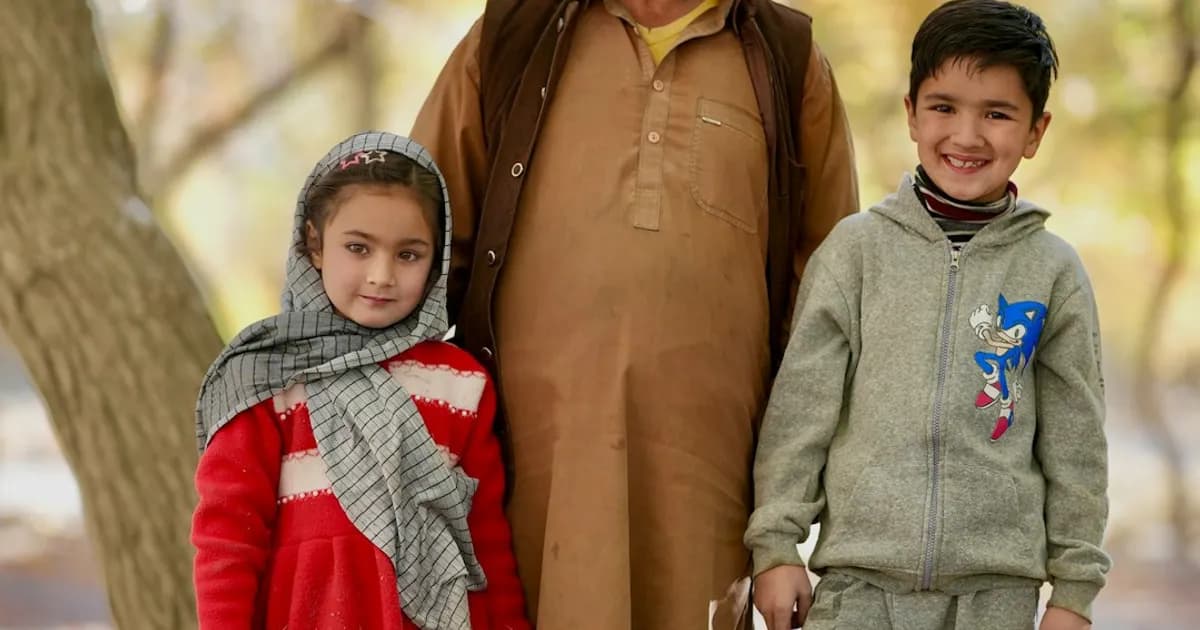
Every desi family has that one story. Someone starts it at a dawat, halfway through dinner, and the whole table is already laughing before the punchline lands. Maybe it is about your Abbu trying to fix the television by hitting it. Maybe it is about your Dadi putting salt in the chai instead of sugar and insisting it was a new recipe. Maybe it is the impression your uncle does of his strict schoolteacher.
These are the stories that hold your family together. Not the milestones. The mazaaq. The jokes, the mishaps, the perfectly timed lines that only your people understand. And they are disappearing.
When families talk about preserving heritage, they usually mean the serious things. Migration journeys. Recipes. Wedding photographs. Those matter deeply. But ask anyone who has lost a parent or grandparent what they miss most, and the answer is rarely the formal history. It is the laugh. The specific sound of it. The joke they told every single time.
Learning how to preserve family funny stories is one of the most loving things you can do for the generations who come after you. This guide shows you why humor fades first, what to save, and how to turn everyday laughter into a keepsake your children will treasure.
Why funny stories vanish first
Serious stories get repeated on purpose. Someone sits down and says, tell us how you came to this country. Funny stories work differently. They surface by accident and leave just as fast.
Your Nani does not announce an important memory. She says something hilarious while kneading dough, everyone laughs, and the moment passes. Nobody writes it down. By next year, only the outline remains. Within a generation, it is gone.
Three reasons explain why family humor is so fragile.
First, funny moments live in performance, not in facts. A joke is timing, expression, accent, and pause. Your Dada delivering one line in his mix of Urdu and English, with that raised eyebrow, cannot be captured by writing the sentence alone. When he is gone, the delivery goes with him unless someone recorded it.
Second, nobody treats funny stories as important. Certificates go in folders. Wedding albums go on shelves. But the story about your mother climbing through the kitchen window after locking herself out gets a laugh and nothing else. Yet for your children, that story will reveal more about who their Nani was than any document could.
Third, humor needs shared context. The nickname your Khalu earned after a cricket match in 1998 is hilarious to everyone who was there. To children born in Toronto or London, it means nothing without the backstory. If nobody records who was there and why it was funny, the joke becomes a reference nobody understands.
Saving humor is simpler than saving almost anything else. You need attention, a phone, and a habit of catching laughter when it happens.
What counts as a funny story worth saving
Save anything that makes your people laugh in a way that feels specific to them. Start with the stories your family already retells.
- Running jokes and catchphrases. The thing your Abbu says whenever it rains. The warning your Ammi gives whenever anyone leaves the house. Write down the exact words and who says them.
- Kitchen disasters. Burnt rotis, exploding pressure cookers, biryani experiments gone wrong. Food is where desi family comedy lives.
- Technology confusion. The video call answered with a finger over the camera. The voice note sent to the wrong group. These moments show how your elders met change with good humor.
- Travel and wedding chaos. Late baraats, lost luggage, wrong turns on the way to the village. Family journeys almost always include something going gloriously wrong.
- Childhood mischief. Ask your parents what trouble they caused as children. Children love hearing that strict Dada was once a troublemaker too.
- Language mix ups. The English word pronounced with full desi confidence. The Urdu phrase translated word for word with unexpected results. These celebrate your bilingual family.
Three stories are enough to begin.
How to collect funny stories without ruining the joke
Humor dies under pressure. The moment you say, sit down and be funny for the camera, the room goes quiet. Collect laughter sideways, while life is happening, instead of staging it.
Catch stories where they live
The best stories arrive during ordinary moments. Cooking together. Driving to a family event. Sorting old photographs. Sitting outside after dinner when nobody is in a hurry. When laughter erupts, ask a gentle follow up while the details are fresh.
- When did that actually happen? Who else was there?
- What exactly did they say? Can you say it the way they said it?
You are not conducting an interview. You are showing that the story delighted you. Most elders glow when they realize their humor is valued, not just their advice. Ask one relative for the setup and another for the punchline, since funny stories often belong to the whole family. When versions differ slightly, keep the differences with affection. The variations show the story has been loved enough to travel.
Record voice first, writing second
For funny stories, audio beats text every time. A transcript preserves the plot, but only a recording preserves the laugh itself, the pause before the punchline, the accent, the giggle halfway through. If your elder agrees, record a short voice note on your phone. One to three minutes is plenty.
If they are shy about recording, write the story down yourself the same evening, in their words as close as you can. A quick note made today is worth more than a perfect transcript attempted a year later from fading memory.
Families using a guided process find this easier, because someone else handles the follow up questions and the writing. If you want help shaping scattered voice notes into lasting chapters, look at how Qissa works and see how short recorded conversations become polished pages without losing the storyteller voice.
Write the scene, not just the joke
A joke without a scene fades. A scene with a joke lasts. When you save a funny story, include who was there with names spelled out, where and when it happened even roughly, the exact line quoted as faithfully as you can, and one sentence on why the family still retells it.
That last point turns comedy into legacy. Instead of only writing that Dada called the microwave a new heater, add what it showed. He was curious about new things. He refused to feel embarrassed. He made the whole house laugh instead of pretending he already knew. Years from now, a grandchild who never met him will grasp his spirit, not just his mistake.
"The stories we laughed at the hardest are the ones I can still hear in my father's voice. I cannot always remember the dates of his life. But I remember exactly how he told the story of the goat that followed him home from school. That is how I know him still."
Ten prompts that unlock laughter
Nobody answers tell me something funny with anything good. Use these one at a time, over chai, when nobody is watching the clock.
- What is the biggest cooking disaster anyone in this family has ever caused?
- What trouble did you cause in school that your parents still mention?
- What went wrong at a family wedding that everyone still laughs about?
- What is the funniest thing that ever happened when guests arrived unexpectedly?
- What English word did someone in the family famously mispronounce?
- What Urdu or Punjabi phrase gets quoted in this family more than any other?
- What is the funniest thing that ever happened at Abbu or Dada's workplace?
- Which neighbor or shopkeeper gave the family its best stories?
- What story does this family tell at every single gathering without fail?
- What is the funniest thing that ever happened to you that we have never heard?
Send one prompt as a voice note to your parents this week. Ask another on your next call. One story a week gives you fifty stories in a year, a full book of laughter.
How to turn laughter into a keepsake book
Scattered notes and voice memos are a wonderful start, but they scatter further with time. Phones get replaced. Chats get buried. A printed book gathers the laughter in one place, with names, photographs, and context, so a child twenty years from now can meet the family as they really were.
Keep the language close to speech. Keep the original phrases in Urdu, Punjabi, or Hindi alongside simple English so the voice stays intact. Add photographs where you have them, even imperfect ones. A blurry picture of the kitchen where it all happened adds more warmth than a perfect image ever could.
If you browse inside a Qissa book, you will see how short recorded stories, family photographs, and bilingual text sit together on the page. Funny stories shine here because they are brief, vivid, and full of voice. Families often start with one elder and a dozen stories. The key is to begin while the people who laugh the loudest can still approve their own pages. When you are ready, you can begin your family book with a single conversation.
- Group stories by theme, like kitchen chaos or travel disasters, so the book reads like entertainment
- Give each story the title the family already uses, since familiar titles invite rereading
- Keep each story to one page or less, because short pieces get reread far more than long ones
- Add a short introduction about what humor means in your family, so future readers know why laughter earned its own section
What to leave out, with love
Not every funny story belongs in a permanent keepsake. Some jokes only work inside a small trusted circle. Some involve people who are still alive and might feel exposed. Before you include a story in a shared book, ask three questions. Would the person at the center laugh reading this page? Have I asked permission from everyone named? Does this story show affection, or only embarrassment?
If a story fails any of these, keep it in the private family archive but leave it out of the printed book. You can always add it later with permission. For guidance on consent and privacy, the frequently asked questions section covers how families handle approval and who sees what.
When every included story clearly comes from love, readers feel safe laughing. Children learn that humor in your family lifts people up, never puts them down. That lesson, carried inside a book of jokes, may be one of the finest values you pass on.
Your family is funnier than you think
Picture the next family gathering. Someone will arrive late. Someone will mishear something and the table will erupt. It will feel ordinary. And one day you will wish you had written down exactly what was said.
You still can. Tonight, type out the story that made everyone laugh last time. Just the bones. Who, where, what was said, why it was funny. Then send one prompt to one elder this week. One voice note. One question about the old days that invites a laugh.
Over months, those fragments become a collection. Over a year, the collection becomes an archive. Bound in a book on your shelf, it becomes what your children reach for when they want to feel close to people they may never have met. They will not open it for dates. They will open it to hear how their people laughed.
That laughter is heritage. Save it while you can still hear it.
Ready to turn your family's funniest moments into a book they will keep forever? [Start your Qissa book today](/purchase) and let their laughter live on the page.
Read next
Keep building the family archive.
These guides connect the next question, recording habit, or heirloom idea so the archive feels easier to keep building.
October 3, 2026 · 10 min read
Questions to Ask Your Ammi Before Her Stories Fade
Meaningful questions to ask your Ammi before her stories fade. Capture her childhood, love story, sacrifices, and wisdom in a South Asian keepsake book.
September 29, 2026 · 10 min read
How to Preserve Your Family Health History
Learn how to preserve your family health history with gentle questions and simple tools. A guide for South Asian families to record elders' health stories.
September 17, 2026 · 10 min read
Family History Interview Consent: A Simple Guide
Learn how to ask for family history interview consent, set privacy boundaries, and preserve an elder's story with respect across languages and generations.
Preserve the voice too