How to Preserve Your Family's Lullabies and Songs Before They're Lost
Your grandmother's lullabies carry generations of love and culture. Learn how to preserve family songs and lullabies before they fade away forever.
July 2, 2026 · 11 min read
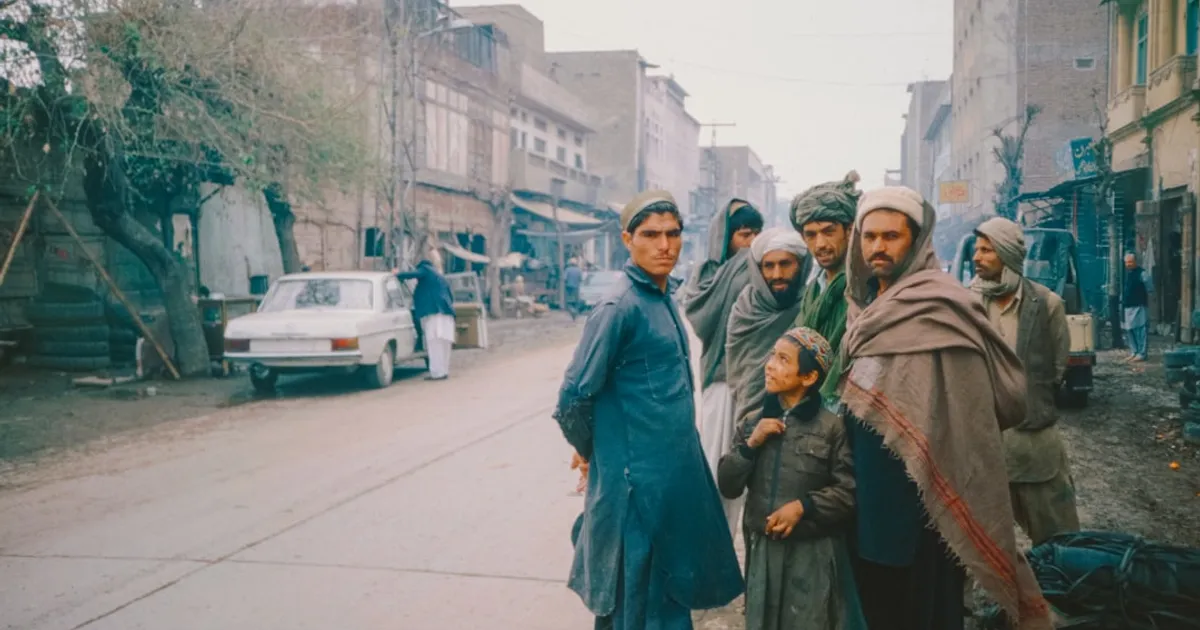
There is a song your grandmother used to sing. Maybe it was a lullaby she hummed while rocking you to sleep. Maybe it was a folk song she sang during weddings, her voice rising and falling with melodies she learned from her own mother. Maybe it was a devotional hymn she whispered during prayers, the words in a language you understood but never quite learned to speak.
You remember the feeling of it. The warmth. The rhythm. The way her voice made the room feel safe. But the melody is fading now. The words are slipping away. And somewhere in the back of your mind, you know that when she is gone, that song - the specific way she sang it, the exact phrases she used, the cultural weight it carried - will disappear with her.
This is not just about music. It is about identity. It is about the invisible threads that connect you to generations you never met, to places you have never visited, to a culture that lives in your blood but not always in your daily life. Family lullabies and songs are oral archives. They carry language, values, history, and love in a form that no textbook can replicate.
And they are disappearing faster than we realize.
Why family songs matter more than you think
Research shows that children who grow up hearing traditional songs and lullabies from their heritage culture develop stronger linguistic abilities, deeper cultural identity, and greater emotional resilience. A study published in the Journal of Music Therapy found that lullabies specifically help infants regulate emotions and develop attachment, while folk songs help older children understand their cultural roots.
For South Asian families in the diaspora, these songs serve an even more critical function. When your children grow up speaking English at school, watching Western media, and navigating a world that rarely reflects their heritage, family songs become a bridge. They are a way of saying: you come from somewhere. You belong to a story that is older and richer than you know.
Consider what a single lullaby contains:
- Language: The specific words, phrases, and pronunciations of Urdu, Punjabi, Hindi, Gujarati, or another mother tongue
- Cultural values: The themes, blessings, and wishes embedded in the lyrics
- Emotional memory: The sound of a loved one's voice, the feeling of being held, the safety of childhood
- Historical context: References to places, traditions, and ways of life that may no longer exist
When that lullaby is lost, all of these layers disappear with it.
The urgency of preserving family songs now
Here is the reality: most family lullabies and songs exist only in memory. They were never written down. They were never recorded. They live in the minds and voices of elders who are aging, and when those elders pass, the songs pass with them.
This is especially true for South Asian families where oral tradition has always been the primary way of passing down culture. Your Dadi did not need to write down the lullaby she sang to your father. She learned it from her mother, who learned it from hers, and the chain continued unbroken for generations. But migration, modernization, and the pressures of diaspora life have broken that chain.
Your children may never hear those songs unless you take action now.
The good news is that preserving family lullabies and songs is easier than you think. It does not require professional equipment, musical training, or hours of dedicated time. It requires intention, a few simple tools, and the willingness to ask.
How to capture family lullabies and songs
Start with one song
Do not try to preserve everything at once. Choose one lullaby or song that matters to you. Maybe it is the one your Ammi sang when you were sick. Maybe it is the wedding song your Nani used to perform. Maybe it is a devotional hymn your Dada recited every morning.
Starting small makes the process manageable and meaningful. You can always add more songs later.
Ask the right questions
When you sit down with your elder to record a song, do not just ask them to sing. Ask about the song itself:
- Who taught you this song?
- When did you first learn it?
- What does it mean to you?
- Are there specific words or phrases that are hard to translate?
- Is there a story behind this song?
- When would you sing it? At bedtime? During festivals? At weddings?
These questions transform a simple recording into a rich cultural document. They capture not just the melody but the context, the emotion, and the history that make the song meaningful.
Record in their comfort zone
The best recordings happen when your elder feels relaxed and natural. Do not set up a formal recording session with bright lights and microphones. Instead, record during a normal moment: after tea, during a quiet evening, while sitting in the garden.
Use your phone's voice memo app. Most modern smartphones capture audio clearly enough for preservation purposes. If you want higher quality, consider a simple USB microphone that plugs into your phone, but this is optional.
The goal is authenticity, not perfection. A slightly imperfect recording of your grandmother singing naturally is infinitely more valuable than a polished studio version that loses her voice, her emotion, her presence.
Capture the lyrics and translation
After recording, take time to write down the lyrics in the original language. If your elder can write, ask them to write it themselves. If not, write it as they dictate.
Then create a translation. Not just a word-for-word translation, but a cultural translation that explains what the song means, what emotions it carries, and what context it comes from. This is especially important for diaspora children who may not speak the language fluently but deserve to understand the depth of what they are hearing.
For example, a simple Urdu lullaby might include phrases like:
Lori de ke chup kara do Mera bachha so jaye
A literal translation is: "Sing a lullaby and quiet him / My child should sleep."
But a cultural translation might explain: "This is a traditional Punjabi lullaby where the mother asks for blessings for her child's peaceful sleep. The word 'lori' refers specifically to a soothing song meant to lull infants, and carries connotations of protection, love, and the mother's wish for the child to dream of beautiful things."
Preserve the melody
If your elder plays an instrument or if the song has a specific tune, try to capture that as well. Even if you are not musically trained, you can:
- Record them humming or singing the melody slowly
- Note the rhythm and tempo (fast, slow, steady, varied)
- Describe any instrumental accompaniment
- Record multiple versions if the melody varies
If you or someone in the family has musical training, consider transcribing the melody into sheet music or recording a clean instrumental version. But again, this is optional. The voice recording is the most important part.
How to organize and share family songs
Once you have captured the songs, the next step is organizing them in a way that your family can access and enjoy for generations.
Create a digital archive
Store your recordings in multiple places: your phone, your computer, a cloud service, and an external hard drive. Label each file clearly with:
- The name of the song (if it has one)
- The person who sang it
- The date of recording
- The language
- A brief description
Example: Dadi_Lullaby_LoriDeKe_2026-07-02_Urdu.mp3
Build a family songbook
Consider creating a physical or digital songbook that includes:
- The lyrics in the original language
- The translation and cultural context
- The story behind each song
- Photos of the person who sang it
- QR codes or links to the audio recordings
This transforms scattered recordings into a cohesive family heirloom that children can read, listen to, and learn from.
Share with the next generation
Do not let these songs sit in a folder on your computer. Share them actively:
- Play them for your children at bedtime
- Teach them the words and meanings
- Sing them together, even if your pronunciation is not perfect
- Share them with cousins, aunts, uncles, and extended family
- Consider creating a family WhatsApp group or shared drive where everyone can contribute and access the songs
The more these songs are used, the more likely they are to survive.
How Qissa helps preserve family songs
At Qissa, we understand that family songs are more than just audio files. They are living pieces of your heritage that deserve to be preserved with care, context, and beauty.
Our voice-to-text service can help you transform recorded lullabies and songs into a permanent, bilingual family book. We transcribe the lyrics, translate them thoughtfully, and pair them with the stories and memories that make them meaningful. The result is a physical book that your family can hold, read, and pass down - not just a digital file that might get lost in a phone upgrade.
When you start a Qissa, you can include family songs as part of your elder's story. We will help you capture not just the melody but the meaning, the context, and the love behind each song. The finished book becomes a bridge between generations, ensuring that your children and grandchildren can hear their great-grandmother's voice, understand her words, and feel connected to a culture that might otherwise fade away.
You can see examples of how family songs are preserved in our family history books, where lyrics, translations, and personal stories are woven together into a narrative that honors the full depth of your family's heritage.
Common questions about preserving family songs
What if my elder is shy about singing on recording?
Many elders feel self-conscious about being recorded. Start by asking them to tell you about the song instead of singing it. Often, once they start talking about it, they will naturally begin to sing. You can also record during a group gathering where singing feels more natural, or ask them to teach the song to a grandchild, which often brings out their confidence.
What if I do not speak the language fluently?
You do not need to be fluent to preserve a song. Record the audio, ask your elder to write down the lyrics, and work together on the translation. The process of learning the song can itself become a meaningful bonding experience and a way for you to reconnect with your heritage language.
What if the song is incomplete or I only remember parts of it?
Incomplete songs are still worth preserving. Record what you remember, note what is missing, and ask other family members if they know the rest. Even fragments carry cultural and emotional weight.
How do I get started if I feel overwhelmed?
Start with one song. One lullaby. One recording. You do not need to preserve your entire family's musical heritage in one weekend. Begin small, and let the process unfold naturally. The most important thing is to start before it is too late.
The song that must not be lost
Your grandmother's lullaby is not just a song. It is a thread that connects you to every mother who sang it before her, to every child who fell asleep to its rhythm, to a culture that expressed love through melody when words were not enough.
It is a piece of your family's soul.
And it is waiting to be preserved.
Do not wait for the perfect moment. Do not wait until you have better equipment or more time. Pick up your phone today. Call your Ammi, your Dadi, your Nani, your Abbu. Ask them to sing you a song from their childhood. Press record. Ask them what it means. Write it down.
Then turn that recording into something permanent, something beautiful, something your children will hold in their hands and hear with their own ears long after you are gone.
Start preserving your family's songs today. Your grandmother's voice deserves to live on.
Read next
Keep building the family archive.
These guides connect the next question, recording habit, or heirloom idea so the archive feels easier to keep building.
September 10, 2026 · 10 min read
Preserve Your Family's Childhood Games Before They Fade
Your elders' pitthu, kanchay and gully cricket memories hold precious family history. Learn simple ways to preserve childhood games before they fade forever.
July 1, 2026 · 10 min read
A Milestone Birthday Memory Book That Captures a Whole Life
A milestone birthday memory book turns a 50th or 60th into a lasting legacy. Learn how to gather stories, voice notes, and photos for the South Asian parent who has everything.
June 30, 2026 · 8 min read
How a Memorial Candle Gift Honors Someone You Lost
A personalized memorial candle gift gives grief a quiet place to land. Learn how remembrance candles and memory lanterns help you honor someone on the days you miss them most.
Preserve the voice too