
How to Preserve Family Stories on Your Visit Home
Your annual trip home is the best window to record your elders' stories in person. Here is how to preserve family stories during your visit to Pakistan.
August 20, 2026 · 10 min read
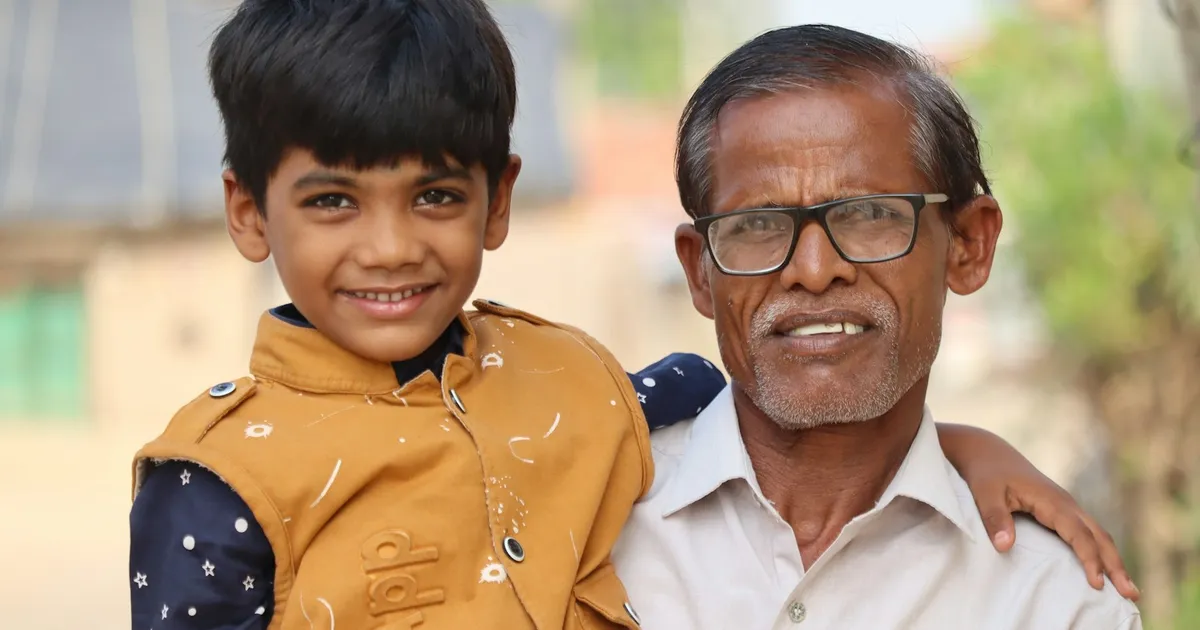
You know the feeling. The suitcase that never quite closes, the presents for the aunties, the queue at the airport desk. And then the walk through arrivals into that specific chaos you only get once a year: cousins fighting over the trolley, an uncle shouting your name, your dadi already crying before she reaches you.
For diaspora families, the visit home is never just a holiday. It is the one time a year when you are physically in the same room as your grandparents, parents, and extended family. Between the daawat and the roof-chat, the stories happen almost by accident.
If you want to preserve your family's stories, this is the window. Here is how to make your visit home count before the stories fade with the generation that carries them.
Why the trip home is your best chance to preserve family stories
Every preservation project you have read about assumes you can sit down with your elder, a recorder, and a quiet hour. That might work for your own parents. It rarely works on a visit home, where your dadi's day is a chain of interruptions and your nana does not do "interviews."
The trip home works for a different reason. In person, on their territory, your elders talk. They talk while cooking, while walking to the mosque, while showing you the mango tree in the courtyard. The stories come out sideways, attached to places and smells and people, not to questions.
This is the crucial difference from recording at a distance. Over WhatsApp, you get the answer to the prompt you sent. At home, you get the story your dadi has been waiting to tell you since the last time you visited, the one she could never fit into a voice note. She will tell you about the neighbor who died last year, the way the mohalla has changed, the reason she saved that cracked cup. None of it will be what you planned to record. All of it matters.
"Yeh sab kahaniyan tumhin se pehle sunani chahiyein." - These stories should be told to you before you go back.
There is also the plain arithmetic of urgency. Each visit, the elders are a year older. You notice it in the way your abbu walks to the gate and in the silence Dadi leaves in a sentence now. The stories are still there. But the details fade with the sharpness, and those details nobody else will ever know.
Before you fly: set up the trip for recording
A visit home can disappear into family obligations before you have recorded anything. The trick is to build recording into the plan before you land. You do not need a schedule or an agenda. You need three small things.
Ask relatives to gather the storytellers
When your parents discuss the trip, ask for one afternoon or evening where the elders are all together: your dadi, her sister, your abbu's oldest friend. Families move faster in a group. One story triggers another, and the person who says "kuch nahi hai" for twenty minutes will suddenly be recounting a wedding from 1962 because someone else mentioned the other side of the family.
Send the prompts ahead of time
Do not arrive and expect stories on demand. A week before the flight, send a few gentle questions to your parents and grandparents on WhatsApp. Keep them single and specific, so the answer is easy:
- "What is the earliest thing you remember about this house?"
- "What did you and your best friend do after school?"
- "Who in the family are you most proud of, and why?"
Told ahead, the question sits in the back of the mind. By the time you arrive, your dadi has already decided what she wants to show you. That is the moment to catch.
Pack the right tools
You do not need a camera crew. You need your phone, a small voice recorder if you prefer, and enough storage. Bring a handful of old photographs, the ones your grandparents appear in. A single faded photo opens more memories than a hundred questions, because it gives them permission to talk about a moment they had forgotten existed.
The stories that only being home can unlock
Some stories simply cannot be captured over a phone call. On a visit, you get to walk your grandfather back to the places his memories live in. Use the walks.
Walk the childhood home with them
Every room in your parents' or grandparents' house is a prompt. Stand in the kitchen and ask who taught your mother to cook there. Sit on the roof and ask what the lane looked like fifty years ago. Run your hand over the same banister your father touched as a boy. The physical place does what no question can: it lets them remember in their body, not just their mind.
Your grandmother might say, "Is kitchen mein main ne aap ke abbu ko khana khilaya tha" - I fed your father in this kitchen. Ten words. But in her voice, on that spot, it becomes the hinge of a whole chapter.
Visit the street, the bazaar, and the school
The places your elders grew up in are disappearing fast. The shop that used to be the pharmacy is now a food stall; the school gate has been repainted. Stand there with them and let them narrate what used to be. These walk-and-talk recordings are the most atmospheric family archives you can make, and they only exist if you are physically there.
Ask about the people, not just the places
Your dadi will happily describe the kua or the well behind the old house. What she will not volunteer is the name of the girl she did kooda-phod with, or what happened to her best friend after Partition. Ask directly about the people who filled the places. Those names are the ones your children will never meet and will never know unless you press.
Record the rituals of the visit itself
Do not only record the past. Record the trip you are on right now. The Eid breakfast, the karak chai at 11 pm, the arguments about who is the best cook. Someday these will be the golden-age memories for the next generation, and you are the keeper catching them live.
How to ask without making it a photo op
The fastest way to kill a conversation on a visit is to pull out a camera and announce, "Now tell me the story of how you met." People who talk freely for hours will go silent the moment they feel observed. You need a different technique.
Let the recording be incidental
Keep your phone in your pocket with an easy one-tap recorder, or simply keep the last voice note you played on screen. Tell your dadi you are keeping the conversation for yourself, that you were never good at writing and want to remember it properly. The best recordings have no visual of the person holding the phone, because that hand is busy pouring chai.
Turn every outing into a story moment
Instead of sitting them down formally, ride in the same car as your nana to the market. Cook with your ammi even if you are useless at it. The hands being busy is the point. People in motion talk about their lives with startling honesty, exactly like the recording setup how Qissa works is designed around: no interviews, no forms, just presence and prompts.
Let the silence work
Your elders will pause, look away, and go quiet mid-sentence. Resist the urge to jump in. That silence is where the real story lives.
Do not ask for their life story. Ask for the kitchen. The kitchen will give you the whole life.
What to do with everything you record
A phone full of recordings from a visit home is a beginning, not a finished thing. You will land back in London, Toronto, or Dubai, look at the voice notes, and feel a small panic about where to keep them. That is normal. Here is the part nobody tells you: recording on the trip is the winning move, and finishing the archive after the trip is the follow-through.
Turn the trip recordings into a family book
The most forgiving way to preserve everything from your visit is to feed it into a single project you can finish from abroad. What started as one evening on your dadi's roof becomes a chapter; the walk with your nana becomes another. A bilingual family book keeps the stories in the language they were told in, which matters because your grandparents will answer you in Urdu, Punjabi, or Sindhi no matter what language you ask in. You can see exactly how Qissa lays out original-language pages beside English on the inside the book walkthrough.
Keep the voices with the words
Your grandmother's accent, the pause before she laughs, the way she pronounces your name, none of that survives in text. Whatever you build, keep the original audio connected to the story. A grandchild should be able to read the page and then press play and hear their great-grandmother say it herself. That is the difference between a document and a keepsake.
Filling the gaps from a distance
If the visit ends before you captured a particular story, do not despair. The trust you built in person makes WhatsApp prompts and weekly voice notes work beautifully over the following months, and there is a full playbook for preserving family stories long distance when you cannot be there in person.
When the trip is painful, be gentle
Not every visit is warm. Sometimes going home means facing the family tension that you always escape by living abroad. Sometimes your grandfather will not talk. Sometimes your mother will deflect every direct question.
That is okay. Your job on a visit is not to extract every memory. It is to make it safe for the ones they choose to share. Ask quietly. Do not corner anyone in front of relatives who might judge. If an elder offers a story about a hardship and starts to tear up, let them finish, and thank them without smiling it away. The FAQ walks through how to handle delicate topics, hesitant elders, and the wish to keep some stories unspoken. Preserving the dignity of a person matters more than completing your audio archive.
Book the next visit before the next loss
There is a version of this post where every anecdote is a regret. The chair at the table with no one in it. The four extra rings before she remembered your voice. The voice note you never made because the trip was "only three weeks."
Do not let your family be that version.
You do not need a special occasion. You need the trip you already take, and one specific question asked at the right moment over chai. Your dadi is already proud, already emotional, already likely to try to feed you everything in the kitchen. That warmth is the unlock. Use it gently, keep the recorder low in your pocket, and bring the stories home with you in something that outlives a phone.
Qissa turns your visit-home recordings into a bilingual hardcover family legacy book. Land, tell your dadi you want to hear it all, let the prompts come weekly by WhatsApp even after you fly back, and a professional writer shapes the chapters around the voices you captured on the trip. You can start a Qissa now and give your last trip home a permanent shelf. Ask about the kitchen. Walk the lane. Record the things you think everyone remembers, because most of them will forget before you do. That is how you preserve your family's stories on your visit home, one chapati, one chai, one evening at a time.
Read next
Keep building the family archive.
These guides connect the next question, recording habit, or heirloom idea so the archive feels easier to keep building.
July 10, 2026 · 10 min read
How to Preserve Family Stories When You Live Thousands of Miles Away
Practical ways to preserve family stories long distance. Learn how diaspora families can capture grandparents' memories across countries and time zones.
May 30, 2026 · 9 min read
Your Family's Smallest Stories Hold the Biggest Legacy
Wedding albums capture milestones, but your family's real legacy lives in everyday moments. Here is why the small stories matter most and how to save them.
August 18, 2026 · 11 min read
How to Preserve Your Parents' Work Stories Before They Fade
Your parents' work stories are fading with the generation that lived them. Preserve the jobs, sacrifices, and family business stories that built your legacy.
Preserve the voice too