
Conflicting Family Memories: How to Record Both Sides
Handle conflicting family memories with care. Learn to record different accounts, check details, and write a family history that respects every storyteller.
October 23, 2026 · 10 min read
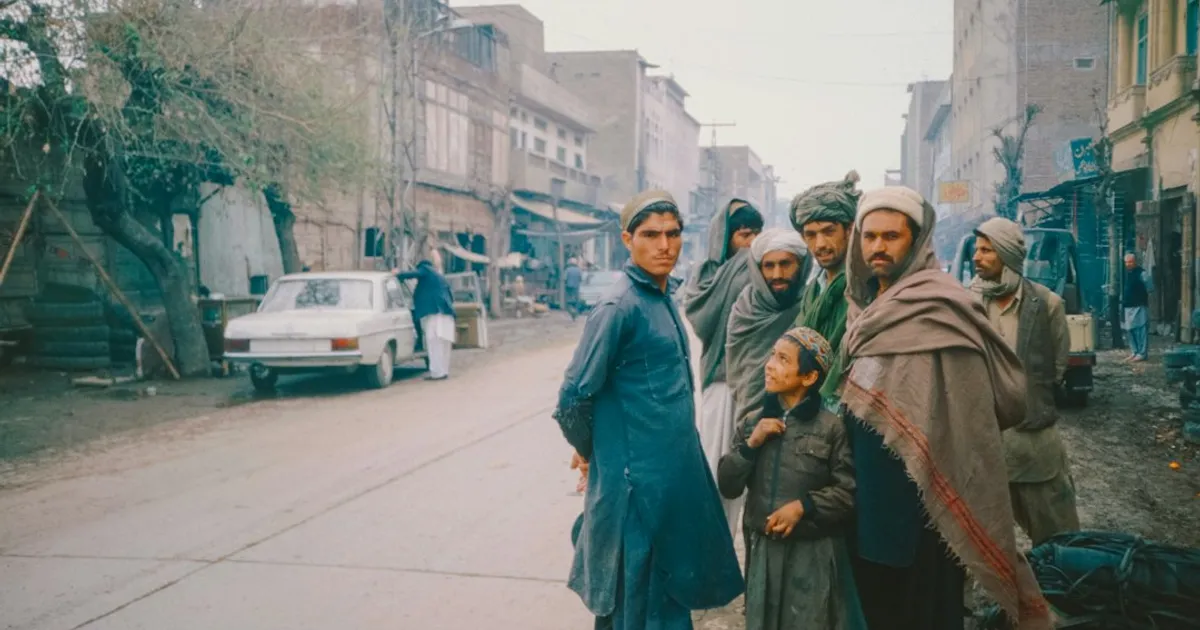
Your Ammi remembers the move happening before your uncle's wedding. Your Khala is certain it happened afterwards. Both can describe the house, the suitcases, and the neighbour who came to say goodbye. Now you are writing their stories down, and conflicting family memories have left you wondering whose version belongs in the book.
Start by keeping each account separate, naming the person who remembers it, and marking any detail you have not confirmed. Check documents when a date or place matters. If the difference remains unresolved, say so plainly. You can preserve a meaningful story without pretending the family agrees on every detail.
For adult children gathering stories across Karachi, Dubai, London, or Toronto, this is a practical editing task as much as an emotional one. The aim is to help a future reader understand what each person remembers, what evidence supports it, and where the questions remain.
Why conflicting family memories belong in the conversation
At a family gathering, one version of a story can become familiar through repetition. The uncle who tells it beautifully gets asked to repeat it. A younger sibling's quieter account may never make it into the conversation. When you begin an archive, you have an opportunity to hear those accounts separately.
The Oral History Society's guidance for family historians explicitly recognises that relatives can feel affronted by different recollections, while explaining that contrasting reflections are part of oral history's value.
Imagine two sisters describing the same household move. One was old enough to help pack and remembers the cost. The other remembers losing the courtyard where she played. Their accounts may answer different questions about the same event. Ask what each actually experienced before deciding that they contradict each other.
A family book can hold more than one perspective, provided the reader can tell whose memory they are reading.
That principle also has a limit. An accusation about another person needs more care than a disagreement about the colour of a front door. The more serious the claim, the more carefully you should consider evidence and whether it belongs in a shared book.
1. Ask each relative before discussing the other account
Begin with an individual conversation. Ask your relative to describe the event from their own starting point, without first reading out someone else's version. This gives you an account you can attribute clearly.
Try questions that locate the storyteller within the scene:
- Where were you living when this happened?
- What did you personally see or hear?
- Who else was there with you?
- Which part do you remember most clearly?
- Is any part something you learned from someone afterwards?
If a difference emerges, follow up gently: "I have another account with a different year. Could we look at what helps you place yours?" Avoid naming the other speaker unless you have permission to share their account.
In a family where questioning an elder feels uncomfortable, explain your purpose: "Ammi, I want to label this properly for the children. Which details are you sure about?" Give them room to answer shayad, perhaps. Uncertainty is useful information, and your notes should preserve it.
2. Separate a remembered detail from a checked fact
Before trying to resolve anything, identify the precise difference. "They disagree about the migration story" is too broad to investigate. "They give different years for the first arrival in Manchester" gives you a manageable question.
Use three simple labels in your working notes:
- Remembered: A detail attributed to a named storyteller.
- Documented: A detail supported by an identified record that you have examined.
- Unresolved: A difference or gap that the available material does not settle.
These labels describe your evidence, rather than ranking your relatives. An account can contain all three. Your father may remember arriving in winter, have a passport stamp showing an entry date, and remain unsure which cousin met him.
Be equally precise about documents. A dated letter may show that someone used an address by that date. It does not necessarily establish the day they moved there. Write down what the record actually supports, leaving the wider conclusion open when needed.
Keep a short source note for each account
Copy this template into a notebook or document:
- Event: The first family flat in Birmingham.
- Storyteller: Full name and relationship, with their agreement.
- Recorded on: The date of your conversation.
- Account: A faithful summary, clearly distinguished from an exact quotation.
- Basis: Personal recollection, another person's story, or a document.
- Difference: The specific detail that varies between accounts.
- Evidence checked: Record name, date, and what it establishes.
- Sharing agreed: Who may read the account or hear its recording.
- Next step: A question to revisit, or a note that it remains unresolved.
Save this alongside the recording so a later editor can trace the passage back to its source. A small note made today can prevent a confident but unsupported sentence entering the finished manuscript.
3. Check the disputed detail without stopping the story
Choose one question to investigate after the conversation. Perhaps it is the year of a wedding, the spelling of a village, or whether two photographs show the same home. Ask relatives whether they have material that could help.
A wedding invitation, school certificate, dated photograph, or letter might narrow the possibilities. Keep a copy with permission and record who supplied it. If there is writing on a photograph's reverse, capture that too, identifying the writer if anyone knows.
Then return to each account with a focused question. "This invitation gives a March wedding date. Does that help place the move you described?" is easier to answer than "Are you sure you remember correctly?"
Allow for several events being compressed into one family phrase. "When we came to England" could refer to a first visit, a parent's arrival for work, or the later arrival of the children. Ask what the speaker means before treating the dates as competing claims.
If the search produces no answer, keep the uncertainty visible. "Around 1978" or "before the family moved to Leeds" can be more accurate than an exact year chosen to make the chapter look finished.
4. Preserve uncertainty across languages and transcription
When you turn spoken Urdu, Sindhi, Punjabi, Hindi, or another family language into English prose, listen for words that qualify a memory. "I think," "perhaps," and "as far as I remember" should survive the editing process.
For example, translating shayad us saal as "that year" removes the speaker's hesitation. "Perhaps that year" preserves it. Ask the storyteller or a trusted speaker to help when you are unsure of the phrase's meaning.
Check names and relationships too. A familiar title such as "Uncle" may identify different people in different conversations. In your private notes, clarify which person the speaker means instead of guessing from the English transcript.
Automated transcription is a draft to review against the audio. If the sound is unclear, mark the gap. Do not complete an indistinct sentence using the version another relative told you. That would blend two sources while making the result appear to be one person's words.
5. Choose a clear way to write both accounts
You do not need to fill the book with editorial footnotes. Choose a presentation that suits the importance of the difference. The examples below are invented illustrations of wording, not accounts from Qissa customers.
Use a short note for a minor detail
"The family remembers moving into the house around 1982. A surviving letter places them there by early 1983; the exact moving date remains uncertain."
This lets the chapter continue while giving the reader a clear account of the evidence.
Attribute contrasting memories in the narrative
"Ammi remembers feeling excited about the new flat. Her sister remembers worrying about leaving their grandmother nearby."
Both perspectives can appear together without assigning either emotion to the whole family. Avoid changing this into "Everyone was excited but worried," which says something neither person necessarily said.
Give longer accounts their own space
When two relatives describe an important event differently, separate passages can work well. Introduce each speaker and explain briefly what remains unresolved. Let each person review the passage attributed to them.
You can explore Qissa's book format while planning how chapters, photographs, and selected approved audio might sit together. Keep the distinction between the original account and your editorial explanation clear in whichever layout you choose.
6. Review sensitive passages before sharing
A disagreement about timing may be easy to print. A disputed account involving money, relationships, estrangement, or another person's conduct calls for a separate discussion about inclusion.
Ask the storyteller what they want preserved and who may receive it. Discuss sensitive discoveries before circulating the recording; the Oral History Society advises this specifically when unexpected family secrets arise.
Attributing a claim to someone does not, by itself, make publication fair or appropriate. Consider the people discussed as well as the speaker. If a passage cannot be handled responsibly for the intended audience, leave it out of the shared edition while you discuss the next step.
For a Qissa project, explain any unresolved accounts during the guided process and raise questions before approving the proof. The current Qissa process describes recorded sessions and the journey to a finished book; the FAQs explain language options and family review.
Questions families often ask
Should the eldest relative's version take priority?
Record their experience carefully, then consider what they directly witnessed and what other evidence exists. Being older does not establish every detail. A younger relative may have been present for a particular conversation that someone else only heard about later.
Can we include a story nobody can verify?
You can identify it honestly as a recollection or family tradition, provided sharing it is appropriate. Use wording such as "Nana used to tell us" rather than presenting an unverified account as established fact. Be especially cautious when it concerns another person's reputation.
What if someone corrects their account later?
Date the correction and attach it to the earlier source note. With permission, retain the original recording and make clear which version the storyteller now wishes to share. Before printing, check that the approved passage reflects that decision.
Start with one story that needs careful listening
Choose a small, manageable difference: a journey, a house, or a family celebration. Hear each account, label your sources, and check one useful detail. You may resolve the question. You may discover that the disagreement belongs in the story.
Either outcome gives your children something valuable: a family history whose voices they can recognise and whose uncertainties they can understand. If you want help shaping those conversations into an heirloom, start a Qissa and bring the accounts, questions, and records you already have.
Read next
Keep building the family archive.
These guides connect the next question, recording habit, or heirloom idea so the archive feels easier to keep building.
September 17, 2026 · 10 min read
Family History Interview Consent: A Simple Guide
Learn how to ask for family history interview consent, set privacy boundaries, and preserve an elder's story with respect across languages and generations.
June 25, 2026 · 10 min read
How to Preserve Your Grandparents' Love Story Before It Fades
Your grandparents' love story, how they met and married, is fading. Learn how to preserve their courtship, wedding, and life together before it's lost.
June 13, 2026 · 10 min read
How to Preserve Your Family's Partition Stories
Learn how to gently ask your elders about 1947 Partition memories, preserve their voices, and pass these South Asian family stories to the next generation.
Preserve the voice too