How to Interview Grandparents Across a Language Barrier
Learn practical ways to interview your South Asian grandparents across a language barrier, preserving their voice, heritage stories, and immigrant wisdom.
September 6, 2026 · 10 min read
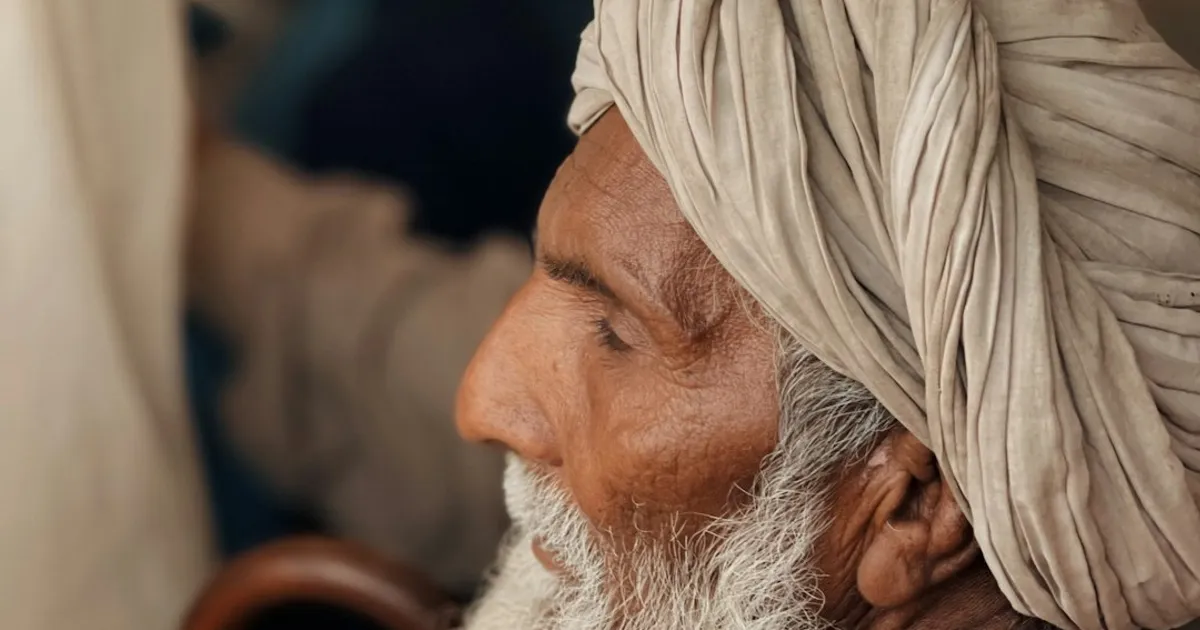
You sit across from your Dada or Nani at the dining table on a quiet Sunday afternoon. The tea kettle has just come off the stove, and the aroma of crushed cardamom and boiled milk fills the kitchen. You look at the deep lines around their eyes, the deliberate way their hands hold a porcelain cup, and you realize how desperately you want to know about their early life. You want to ask about the village they left behind, the journey across continents, the mischief of their teenage years, and the dreams they held before life demanded sacrifice.
Yet a familiar knot forms in your stomach. Your Urdu, Punjabi, Bengali, Gujarati, or Hindi is clumsy, pieced together from holiday visits and kitchen instructions. Their English, while polite and loving, is largely reserved for daily routines: asking if you have eaten, checking if you are warm, or offering blessings. Between you lies an invisible wall of vocabulary, and so the silence settles back in. You sip your chai, smile warmly, and let another afternoon pass without asking the questions that matter most.
This linguistic hesitation is one of the most common forms of quiet grief in diaspora communities. Across diaspora communities, adult grandchildren feel caught in a painful paradox: cherishing their heritage while feeling like linguistic imposters. They fear that stumbling over grammar causes embarrassment, or that asking questions in limited vocabulary will reduce a rich life story to childlike monosyllables.
Waiting for your language skills to become fluent before interviewing your elders is a gamble that time will always win. Grandparents age, memories soften, and energy recedes. What bridges the generational gap is not grammatical perfection. It is intentional presence, thoughtful preparation, and an understanding that oral history can be captured across language divides with the right approach.
Overcoming Linguistic Guilt in Diaspora Households
Before picking up a voice recorder, you must dismantle the inner guilt that prevents many diaspora adults from starting.
Most first-generation immigrant elders do not expect their grandchildren to speak with classical literary eloquence. When you approach your grandmother or grandfather with a genuine desire to learn about their past, they do not notice your mispronounced vowels or limited idioms. What they notice is that you stopped your busy routine, sat beside them on the sofa, and asked them to share their life.
In South Asian culture, emotional connection is rooted in apnapan, an intuitive sense of kinship that travels through attentive eyes, shared silence, and gentle patience. When elders notice a grandchild leaning in with genuine curiosity, their natural warmth takes over. The awkwardness of searching for a word vanishes in the warmth of shared attention.
An oral history interview is not an academic examination. It is an act of love. You are creating a space for an elder whose voice has often been overlooked in their adopted country, giving them the rare opportunity to become the central figure of their own narrative.
"A grandparent speaking their native language is not just telling a story. They are inhabiting the world where that story happened."
Rule Number One: Let Them Speak in Their Mother Tongue
The single greatest mistake diaspora children make when interviewing older relatives is asking them to respond in English.
It is natural to want immediate comprehension. When you do not understand fluent Punjabi or colloquial Urdu, your instinct is to ask for an English summary. But forcing an elder to translate their deepest memories into a secondary language instantly drains the vitality from their storytelling.
When someone recounts formative memories in a second language:
- Searching for vocabulary repeatedly interrupts their emotional flow.
- Nuanced concepts like biradari (community solidarity) or lihaz (respectful deference) flatten into awkward approximations.
- The natural cadence, humor, and poetry of their speech disappear.
- Formative moments, like surviving Partition or migrating with young children, become guarded because emotional truth lives in the mother tongue.
The golden rule of bilingual family storytelling is simple: ask your questions in whatever combination of English and heritage words you can manage, but give your elders permission to answer in whatever language their heart speaks.
Capture the raw audio in their full mother tongue. You can always transcribe, translate, and preserve the written record later. But once their authentic voice and cadence are gone, they can never be recreated.
The Two-Generation Bridge: Involving a Conversational Anchor
If you feel unequipped to conduct an interview solo, bring in an intermediate family member to act as a conversational anchor.
This could be your mother, your father, an aunt (khala or chachi), or an older cousin who is fluent in both worlds. Their role is not to speak for the elder, but to serve as a gentle facilitator:
- Clarifying prompts: If your grandfather does not grasp a modern English question, your parent can rephrase it using regional idioms or village dialect.
- Sparking forgotten memories: A bilingual parent often knows the names of childhood neighbors, ancestral hometowns, or family migrations that spark vivid recollections.
- Relieving performance pressure: Having three people around the table transforms a stiff interview into an organic afternoon baatcheet (conversation).
Establish clear guidelines beforehand. Ask them to prompt the elder gently rather than dominating the conversation, keeping the spotlight firmly on the grandparent.
Using Physical Anchors to Spark Memory Beyond Words
Language barriers shrink dramatically when you introduce physical anchors into the room. Objects carry emotional weight that bypasses the need for elaborate verbal explanation.
Before recording, gather three or four physical keepsakes from your family archives:
1. Faded Family Photographs
Pull out black-and-white prints, sepia portraits, or old passport snapshots. Pointing to a specific face and asking, "Who was this person to you?" requires minimal language from you, but triggers an instant flood of memories for them. Watch their expression as they recount who tailored the clothes or what season the photograph was taken in.
2. Heirloom Objects and Textiles
Place a piece of ancestral jewelry, an embroidered dupatta, a brass spice container, or a vintage watch on the table. Physical textures jog tactile memory. Ask them who owned the item first, how it traveled across borders, and why it was preserved.
3. Maps and Village Sketches
Pull up satellite maps showing their hometown or ancestral village. Seeing physical geography prompts older relatives to trace roads with their fingers, pointing out where local railway stations stood and where childhood schools were situated.
High-Impact Questions That Transcend Language
Avoid abstract inquiries like "What was your career philosophy?" These concepts are difficult to translate and rarely yield emotional stories. Instead, structure your interview around concrete, sensory memories.
Sensory Childhood Memories
- What sounds woke your family up in the morning when you were eight or nine?
- What was your favorite dish that your mother cooked, and what did the kitchen smell like?
- What games did you play in the street or courtyard with childhood friends?
- What was the weather like during monsoon or winter in your hometown?
Youth and Leaving Home
- What did you imagine your life would look like before you got married?
- What was your first impression of your spouse when you met or saw their picture?
- What did you pack in your trunk or suitcase when you left your birthplace?
- Who was the person who gave you the most encouraging advice as a young adult?
The Immigrant Journey and New Beginnings
- What was your first thought when your plane or train arrived in your new city?
- What surprised you most about the weather, food, or streets when you first landed?
- What was your very first job, and how did you feel on your first day?
- In moments of homesickness, what brought you the deepest comfort?
Enduring Wisdom and Blessings
- What is the most important lesson life taught you about weathering difficult seasons?
- When you look at your children and grandchildren today, what makes you feel proudest?
- What family tradition do you hope our family never abandons?
- What prayer (dua) or blessing do you recite for us when you think of our future?
Best Practices for Recording Without Pressure
The physical setup of your session significantly affects how relaxed your grandparents feel. Heavy recording equipment and bright lights induce performance anxiety, leading elders to speak formally.
To create an environment where conversation flows naturally:
- Rely on simple smartphone audio: A modern phone placed screen-up on a soft cloth next to a tea tray records clear audio without feeling intrusive.
- Record in short increments: Limit conversations to twenty or thirty minutes. Older relatives tire quickly, and short sessions keep memories sharp and enjoyable.
- Schedule around peak energy: Most elders feel most alert in the mid-morning after breakfast and prayers, or in the late afternoon over tea. Avoid late-night sessions.
- Embrace silence and laughter: Do not rush to fill pauses. When an elder pauses, they are often mentally revisiting an old courtyard or remembering a departed sibling.
- Repeat key names gently: If they mention a family member or village name, repeat it gently and note it down to ensure correct spelling later.
If your grandparents live in another country or time zone, sending short prompts through messaging apps lets them respond whenever they feel inspired. You can discover how the story-gathering process works to see how weekly voice prompts remove friction across long distances.
Turning Spoken Heritage into a Tangible Keepsake Book
Recording voice memos on your phone is a meaningful first step, but digital files scatter easily. Voice notes get buried in messaging threads, phone upgrades misplace storage, and uncaptioned heritage audio remains inaccessible to younger grandchildren.
The true magic happens when spoken oral histories are transcribed, translated, and bound into a permanent printed volume.
Imagine holding a hardcover book where:
- Your grandparent original spoken words are honored, capturing their authentic phrasing and dialect.
- Clean, accessible English translations appear on adjacent pages, allowing future generations of diaspora children to read their family story with clarity.
- Faded family photographs, old travel visas, handwritten recipe cards, and vintage portraits are restored and paired with the stories they illustrate.
When you explore inside a Qissa book, you can see how personal interviews and voice recordings are transformed into archival-grade family heirlooms that sit proudly on your coffee table or library shelf.
For practical guidance on dialects, translations, and book layouts, explore our frequently asked questions.
Start with One Memory Over Chai This Week
We often tell ourselves that we will sit down with our elders when our schedule slows down, when our heritage language improves, or when the holidays arrive. But the calendar moves swiftly, and the window to capture their living voice narrows with every passing year.
Your grandparents do not need you to speak like an Urdu poet or a village elder to share their life with you. They only need you to show up, pull up a chair, and listen with an open heart.
Next time you visit, bring their favorite biscuits, brew a fresh pot of cardamom chai, and set your phone recorder on the table. Look into their eyes and ask:
"Dada, tell me about the street where you played when you were ten years old."
Watch as the decades fade, their posture relaxes, and a story unfolds that connects you forever to the roots of who you are. When you are ready to transform those cherished voice notes, vintage photographs, and family memories into an enduring heirloom that future generations will treasure forever, start a Qissa today. Their journey is your inheritance, and their story deserves to live on.
Read next
Keep building the family archive.
These guides connect the next question, recording habit, or heirloom idea so the archive feels easier to keep building.
September 1, 2026 · 10 min read
How to Preserve Family Poems and Ghazals
Learn how to preserve family poems, ghazals, riddles, and spoken verses in their original language and voice, with context future generations can understand.
May 29, 2026 · 8 min read
Keep Your Mother Tongue Alive Through Family Storytelling
Diaspora parents worry their kids will lose their mother tongue. Here is how family stories can help keep Urdu or Hindi alive across generations.
September 3, 2026 · 10 min read
Questions to Ask Your Nani Before Her Stories Fade
Discover 30 heartfelt questions to ask your Nani to preserve her childhood memories, maternal wisdom, recipes, and the timeless magic of Nani ka ghar.
Preserve the voice too