
How to Make a Family Time Capsule That Lasts
Learn how to make a family time capsule with voice notes, bilingual letters, photos, and traditions your children can open and understand years from now.
July 22, 2026 · 10 min read
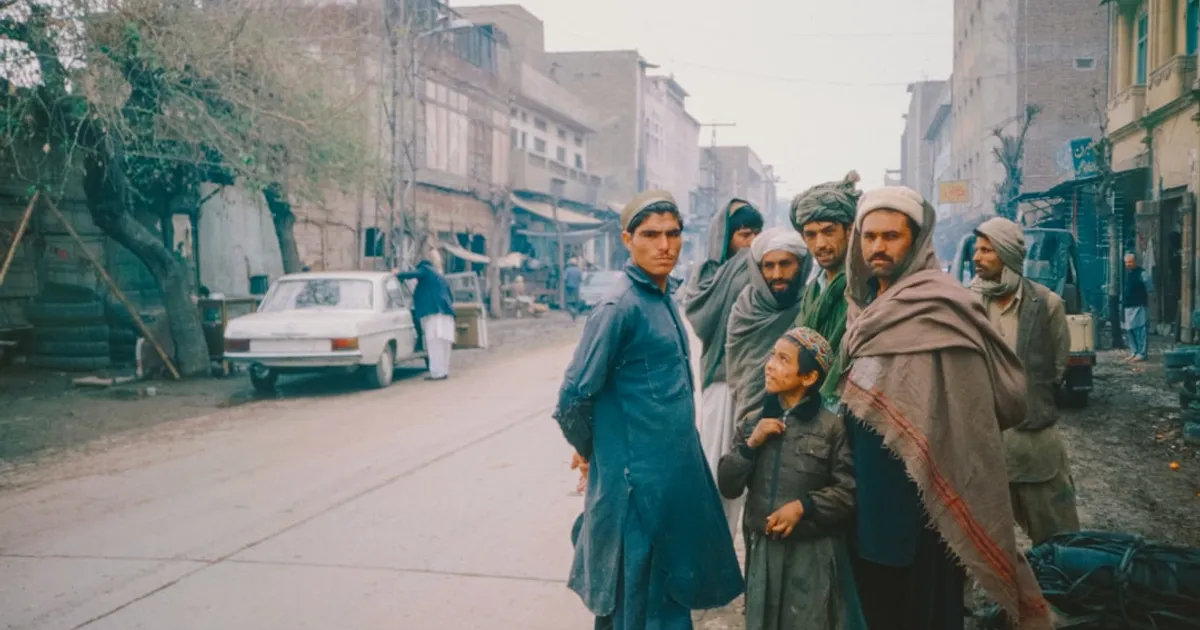
There is a version of your family that exists only right now. Your father still reaches for the same chipped tea cup. Your mother sends three-minute WhatsApp updates that begin with one subject and end somewhere else entirely. Your child understands Dadi's Urdu but answers her in English. These details feel ordinary today, which is exactly why no one thinks to save them.
To make a family time capsule, choose an opening date, invite at least three generations to contribute, collect 10 to 15 meaningful items, record short voice messages, and label everything with names, dates, places, and explanations. Protect the originals, create digital copies, and tell two trusted relatives where the capsule is kept.
Key takeaways: A good family time capsule preserves context, not clutter. Save a small portrait of family life, keep each person's natural language and voice, make physical and digital copies, and choose a real date when everyone will gather to open it.
In this guide
- What is a family time capsule?
- Why diaspora families need a capsule
- Family time capsule ideas worth saving
- How to make a family time capsule
- A simple family time capsule checklist
- Mistakes that can ruin a capsule
- Frequently asked questions
What is a family time capsule?
A family time capsule is a deliberately chosen collection of messages, recordings, photographs, and everyday objects saved for relatives to open on a future date. Unlike a general archive, it captures one season of family life and gives the people opening it enough context to understand why each item mattered.
That future date changes the project. An archive is designed for ongoing reference. A capsule creates a conversation between two moments: the family you are now and the family you will become.
For a South Asian family spread between Karachi, Toronto, Dubai, Birmingham, or Sydney, that conversation may cross more than time. It can cross languages, borders, and generations too.
Why a family time capsule matters for diaspora families
Migration changes the meaning of ordinary things. A bus ticket, school lunch menu, handwritten dua, or recording of the evening azaan may seem too small to preserve. Ten years later, it can explain a world your children never knew.
Diaspora children often inherit the polished version of family history: where their grandparents were born, when their parents migrated, and which holidays the family celebrates. A time capsule saves the texture around those facts. It records how people joked, which language they used with whom, and what home sounded like on a Tuesday evening. Children can contribute too, meeting their younger selves when the capsule opens.
12 family time capsule ideas worth saving
The best family time capsule ideas are specific enough to bring back a moment. Choose a balanced set rather than filling a box with everything you can find.
- A 90-second voice introduction. Ask each person for their name, age, location, and a thought about life now.
- A letter to the family on opening day. Use Urdu, Punjabi, Bengali, Gujarati, Hindi, Arabic, English, or the family's natural mixture.
- One ordinary family photograph. A dining-table picture can reveal more than a formal portrait. Label every person.
- A household soundscape. Record two minutes of tea being poured, cousins talking, or pots moving in the kitchen.
- A prediction card. Ask what the family, city, and world will be like when the capsule opens.
- A list of family phrases. Save the affectionate names, warnings, blessings, and jokes that sound exactly like Abbu.
- A family map. Mark the ancestral place, present homes, and routes between them.
- A child's questions for an elder. Save the questions and record the answers.
- A piece of everyday life. A receipt, school timetable, invitation, or menu shows how days were lived.
- A family news page. Note births, graduations, new homes, losses, jobs, and quieter changes.
- A safe keepsake. A scrap from an outgrown kameez can preserve color and touch without risking heirloom clothing.
- One question for the future. Each contributor asks something that can only be answered on opening day.
Avoid original passports, irreplaceable jewelry, cash, batteries, food, liquids, plants, medicines, or anything containing sensitive financial information. A capsule should create anticipation, not risk.
How to make a family time capsule in 7 steps
Step 1: Choose who will open it and when
Begin with an audience and an opening date. "For the family someday" is too vague. "For Amina's 18th birthday on 14 March 2036" creates a promise people can remember.
Five years works well for young children. Ten years gives adults enough distance to see a genuine family era. For a newborn, an 18th birthday can be meaningful, but only if at least two adults share responsibility.
Step 2: Give the capsule one clear theme
A theme makes selection easier. Try "our first year in Canada," "Dada and Dadi at 70," or "the summer all the cousins came home."
Write the theme, creation date, opening date, intended audience, and family contact on the first page. This page is the capsule's label and its promise.
Step 3: Invite three generations to contribute
Give each person a limit of two physical items and one voice message. Limits leave room for the shy child and the distant elder.
Send the same three prompts to everyone:
- What should this family remember about life right now?
- What do you hope will still be true when we open this?
- What do you want the youngest person in our family to know?
Let people answer in the language that feels most intimate. A translation can sit beside the original later. Perfect English should never be the price of being remembered.
Step 4: Record the voices with care and consent
Before recording, explain who will hear the message and when. The Oral History Association's best practices recommend agreement about purpose, recording, preservation, access, and possible use. Family recordings deserve the same respect.
Choose a quiet room and begin with the speaker's name, full date, general location, and subject. Aim for three to five minutes. Keep a longer original if the conversation grows, then choose a short capsule excerpt.
Qissa uses gentle remote prompts and guided conversations for families who want help gathering stories. You can see the full story-gathering process before deciding whether a guided approach suits your family.
Step 5: Label the meaning, not only the object
Every item needs a short context card. Include:
- contributor's full name and relationship to the audience
- date and place connected to the item
- original language
- what the item is
- why this person chose it
- any privacy or sharing limits
The Oral History Association's archiving guidance emphasizes names, dates, places, content, technical details, and access rights. This context stops a future grandchild from asking, "Who is this, and why did we keep it?"
Step 6: Protect the physical capsule
Use acid-free folders inside a sturdy archival box. Do not laminate papers or attach them with household tape. Keep photographs in photo-safe polyester, polypropylene, or polyethylene sleeves.
Do not bury the box. Soil moisture, heat, insects, and accidental construction can destroy the contents or make them impossible to find. Store it on an interior shelf, above floor level, away from pipes, sunlight, kitchens, garages, attics, and damp basements.
The U.S. National Archives advises keeping family papers below 75°F and relative humidity below 65%, while avoiding conditions below 15%. A stable, cool, dry cupboard is safer than a dramatic outdoor hiding place.
Step 7: Create a digital twin and opening plan
Scan every paper and object. Keep original audio plus an accessible copy, transcript, and translation. Use filenames such as 2026-07-22-nani-message-urdu.m4a, then create a one-page inventory connecting each file to its physical item.
The Library of Congress recommends four basic actions for personal digital photographs: identify, decide, organize, and make copies. Its personal digital archiving guidance is a useful model for the entire digital capsule. Keep at least two copies on separate storage media, with one copy in another trusted location.
Add the opening date to two calendars, name two custodians, and review the files yearly without reading the sealed messages.
A simple family time capsule checklist
Copy this list into the family chat and assign a name beside each item:
- [ ] Audience and opening date chosen
- [ ] Theme written on the cover page
- [ ] Two trusted custodians named
- [ ] Three generations invited
- [ ] 10 to 15 items selected
- [ ] Voice messages recorded with permission
- [ ] Original languages preserved
- [ ] Transcripts or translations attached where helpful
- [ ] Every item labeled with name, date, place, and meaning
- [ ] Private or sensitive details removed
- [ ] Physical materials stored in safe enclosures
- [ ] Digital files named consistently
- [ ] Copies stored in two separate places
- [ ] Opening date added to family calendars
If you want the recordings and images to become more than a folder of files, explore what a finished Qissa book looks like. A printed narrative can preserve the capsule's stories while selected audio keeps each speaker's real voice close.
Mistakes that can ruin a family time capsule
Saving too much: Keep only what serves the theme.
Using mystery as a substitute for planning: Name custodians, make copies, and schedule the opening.
Translating away the original voice: Keep the source beside any English version. Beta, jaan, and dua carry relationships a neat translation may flatten.
Ignoring consent: A private chat, confession, or photograph is not automatically yours to share.
Trusting one device: Phones break, passwords disappear, and services change.
Making the box impossible to maintain: Seal personal letters, not the entire storage system. Custodians must be able to check the container and migrate digital files.
For questions about privacy, languages, remote interviews, and family participation, read Qissa's frequently asked questions.
Frequently asked questions
What are the best things to put in a family time capsule?
Choose items that reveal voice, relationships, place, and daily life: recordings, future letters, one labeled photograph, a household soundscape, predictions, a map, and safe everyday objects. Add a note explaining why each item mattered.
Should a family time capsule be digital or physical?
Use both. A physical box preserves touch, handwriting, and objects. A digital twin protects copies and holds audio, video, transcripts, and translations. Store the box safely and review digital files yearly so you can replace failing drives or outdated formats.
What is the best container for a family time capsule?
Use acid-free folders or sleeves inside a sturdy archival box, stored in a stable interior cupboard above floor level. Avoid tape, lamination, food, liquids, and reactive materials. Outdoor burial introduces moisture, insects, heat, and the risk of losing the capsule.
How long should you keep a family time capsule closed?
Five years lets children notice major change, while 10 years creates a stronger generational perspective. A capsule for a baby's 18th birthday can work if two custodians and digital backups are named. Choose a meaningful, realistic date.
Give the future more than a box
Learning how to make a family time capsule is really learning how to introduce your present family to its future self. The labels give facts. The objects restore a room. The voices bring back the people.
Start small this week. Pick an opening date, record one elder answering one question, and ask one child what they hope the family will remember. That is enough to begin.
If you want those voices, translations, photographs, and memories shaped into a lasting family narrative, start your Qissa. The capsule can wait for its opening day. The people holding its stories should not have to wait to be asked.
Read next
Keep building the family archive.
These guides connect the next question, recording habit, or heirloom idea so the archive feels easier to keep building.
July 6, 2026 · 11 min read
How to Create a Family Tree for Your South Asian Family
Learn how to create a family tree for your South Asian family. Capture names, relationships, and stories across generations before the details fade away.
July 3, 2026 · 14 min read
How to Preserve Your Dadi's Home Remedies Before They're Forgotten
Your grandmother's desi totkay exist only in her memory. Learn how to preserve your family's home remedies before that knowledge disappears with the generation that carries it.
June 5, 2026 · 11 min read
How to Build a Family Archive Your Children Will Actually Use
Most family archives sit forgotten in boxes and hard drives. Here is how to build a family archive your children will actually open, read, and treasure for generations.
Preserve the voice too