How to Write a Legacy Letter Your Family Will Treasure
A legacy letter captures your values, love, and life lessons for future generations. Learn how to write one your South Asian family will keep forever.
June 19, 2026 · 10 min read
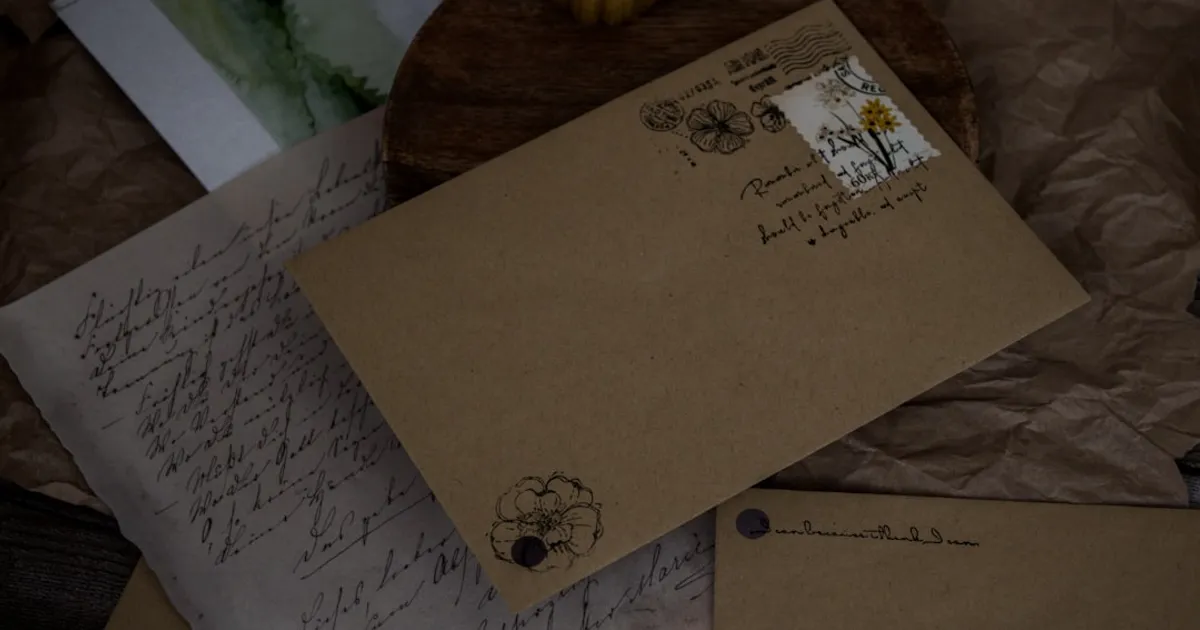
There is a letter your grandmother never wrote. Not because she did not love you, but because she never thought her words were worth keeping. She told you stories over chai, blessed you when you left the house, prayed for you in quiet moments. But she never put any of it on paper. Now that she is gone, the shape of her voice, the specific phrases she used, the advice she would give you at twenty-five, at thirty, at forty -- these are things you will never hold in your hands.
This is what a legacy letter prevents.
A legacy letter is not a legal document. It is not a will, a trust, or a list of possessions. It is a written or recorded message that captures who you are, what you believe, and what you want the people you love to know. It is the closest thing to sitting down with your grandchildren and speaking to them across time.
If you are a South Asian diaspora parent or grandparent, you carry stories, values, and wisdom that no one else in the world holds exactly the way you do. A legacy letter is how you make sure those things survive you.
What Is a Legacy Letter?
A legacy letter -- sometimes called an ethical will -- is a personal document that passes down your values, life lessons, hopes, and love to your family. Unlike a legal will, which distributes assets, a legacy letter distributes meaning.
It can take many forms. A handwritten letter tucked into a box. A voice recording saved on a phone. A video message recorded for a future birthday. A chapter in a family legacy book that your grandchildren will read when they are old enough to understand. The format does not matter as much as the intention: someone you love will one day open this, and they will hear your voice, in your words, speaking directly to them.
The tradition of passing down wisdom through written words is not new. In South Asian families, elders have always shared guidance through oral storytelling, through dua and blessings, through the quiet advice given during life's turning points. A legacy letter is simply that same tradition, made permanent.
For diaspora families, this permanence matters more than ever. When distances grow and languages shift across generations, the direct transmission of values becomes harder. A legacy letter bridges that gap, carrying the elder's voice across miles and years.
Why Legacy Letters Matter for South Asian Diaspora Families
Your grandchildren may grow up speaking English as their first language. They may never visit the village your family came from. They may not know the duas your mother recited or the specific way your family expressed love without saying the words directly. These are the soft structures of family life, and they are the first things to disappear when no one writes them down.
A legacy letter tells the next generation not just what you did, but who you were. It answers the questions they will one day wish they had asked: What did you believe? What did you learn from your hardest failure? What do you want me to know before you go?
A legacy letter gives them those stories directly, in your own voice, without relying on someone else to remember and retell them imperfectly.
What Makes a Legacy Letter Different from a Will
A legacy letter does not replace a will. It complements it. The will tells your family what you left them. The legacy letter tells them who you were.
In South Asian families, the distinction is especially important. Our families are often expert at managing the practical aspects of legacy -- property, gold, inheritance. But the emotional and spiritual inheritance -- the dua your mother always said, the advice your father gave about izzat and sabr, the stories that shaped your understanding of the world -- these are left to chance. A legacy letter ensures they are left with intention.
The Five Essential Elements of a Legacy Letter
A legacy letter does not need to be long. It needs to be honest. Here are the five elements that make a legacy letter powerful enough for someone to keep forever.
1. A Direct Address to the Reader
Start by naming the person or people you are writing to. To my daughter on her wedding day. To my grandchildren when they are old enough to understand. To my family, wherever this letter finds you.
A direct address turns a general document into a personal conversation. It tells the reader: this was written with you in mind.
2. The Stories That Shaped You
A legacy letter is not a biography. Include a few specific stories that carry the values you want to pass down. The time your father sacrificed something so you could go to school. The migration story that taught you what resilience means. These stories show, rather than tell, what you believe.
Specificity matters. I will never forget the morning we left Lahore. The train was so crowded that people were sitting on the roof. That single image carries more weight than a paragraph about how hard migration was.
3. The Values You Want to Pass Down
This is the heart of the letter. What do you want the next generation to carry forward?
For South Asian families, these values often include sabr (patience), shukr (gratitude), izzat (honor and respect), dua (prayer), and the importance of family bonds. Name them. Explain what they meant to you and why they matter.
You can say: Sabr was not just a word in our house. It was how your grandmother survived the year after Partition. It was how your father rebuilt his life in a new country. I want you to know that patience is not weakness. It is the quietest form of strength.
4. Your Hopes for Their Future
Tell your grandchildren what you wish for them. Not prescriptively, but in a way that reveals your love.
I hope you remember our family has survived harder things than whatever you are facing right now.
These hopes become anchors the reader will return to.
5. A Blessing or Closing
End with a dua or phrase your family has passed down. Allah aap ko khush rakhe. This closing is what the reader will remember longest.
How to Start Writing Your Legacy Letter
The hardest part of writing a legacy letter is the first sentence. Here is how to make it easier.
Do Not Try to Write It All at Once
A legacy letter does not need to be written in one sitting. Write one paragraph today. Let it sit. Add another paragraph tomorrow. The best legacy letters are built in layers, not in bursts.
Start with What Feels Easiest
If writing about your values feels too abstract, start with a story. Tell the one memory that comes to mind first. That story will lead you to the values naturally.
Write in the Language That Carries the Most Feeling
If your deepest emotions live in Urdu, Punjabi, Hindi, or another language, write in that language. A legacy letter that mixes languages is honest about who you are. The translation can come later, but the original words carry the emotional truth.
Record It Instead of Writing It
Some people freeze when they face a blank page. If that is you, record yourself speaking instead. A voice note, a video, an audio recording -- these preserve not just your words, but your voice. The pauses, the laughter, the catch in your throat when you reach a tender memory. Your grandchildren will want to hear all of it.
Qissa's process is built around voice-first storytelling. A warm Qissa Story Guide records your story by phone or Google Meet, asks thoughtful follow-up questions, and then collaborates with a professional writer on the manuscript. You can see how the process works here.
Legacy Letter Prompts That Actually Work
If you are not sure what to write, use these prompts. Pick one and write for ten minutes. That is enough to start.
- What is the most important lesson life has taught you?
- What do you want your grandchildren to know about the person you were before you became a parent or grandparent?
- What was the hardest thing you ever went through, and what got you through it?
- What do you believe about love, and who taught it to you?
- What is a story your parents or grandparents told you that you want to be remembered?
- What do you hope your family never forgets about where they came from?
- If you could say one thing to each person in your family, knowing they would read it years from now, what would it be?
- What does ghar mean to you, and how do you carry it with you?
These questions produce answers that matter. They bypass the surface and go straight to what a legacy letter should hold.
Should You Write or Record Your Legacy Letter?
Both formats have strengths. A written letter is tangible, can be rediscovered decades later. A recorded letter preserves the voice -- the pauses, the laughter, the catch in your throat. The strongest approach is to do both.
This is how the Qissa book format works. The written story stays central, and selected audio can be privately linked with the storyteller's approval. The next generation does not have to choose between readability and emotional authenticity.
How Qissa Helps You Create a Lasting Legacy
Qissa is designed to make legacy creation feel natural, not overwhelming. You choose a storyteller -- yourself, a parent, or a grandparent. After a warm onboarding call, a Qissa Story Guide records phone or Google Meet sessions at the storyteller's pace. The guide and a professional writer shape the complete narrative into an English hardcover, or an Urdu/Sindhi edition paired with English, with chosen photographs and optional approved audio.
The result is not just a legacy letter. It is a complete family legacy book. You can start a Qissa for yourself or a loved one here. The FAQ page covers common questions about languages, timing, and working with reluctant elders.
A Different Kind of Inheritance
Your family will inherit many things from you. Photographs, recipes, jewelry, stories told at gatherings. But a legacy letter is different. It is the one thing that carries your voice, your values, and your love in a form that does not depend on anyone's memory.
It does not have to be perfect. It does not have to cover every aspect of your life. It just has to be honest. It has to sound like you. It has to come from the place where you keep the things you have never said out loud.
Start today. Open a note on your phone. Pick one prompt above. Write for ten minutes. Or open your voice recorder and speak for five.
That small act is the beginning of something your grandchildren will hold long after you are gone. The words you write today will be read by people who have not been born yet. They will know you not through a photograph, but through the words you chose to leave behind.
Start preserving your legacy today -- one voice note, one story, one letter at a time.
Read next
Keep building the family archive.
These guides connect the next question, recording habit, or heirloom idea so the archive feels easier to keep building.
June 1, 2026 · 9 min read
The Life Lessons Your South Asian Elders Are Waiting to Share
Your grandparents have a lifetime of wisdom they are waiting to pass on. Learn how to capture their life lessons, values, and guidance for the next generation.
May 30, 2026 · 9 min read
Your Family's Smallest Stories Hold the Biggest Legacy
Wedding albums capture milestones, but your family's real legacy lives in everyday moments. Here is why the small stories matter most and how to save them.
May 17, 2026 · 13 min read
How to Preserve Your Family's Wisdom Before the Sayings Disappear
Every South Asian family has phrases that only one person still says. Learn how to capture your elders' proverbs, blessings, and wisdom before those words are gone forever.
Preserve the voice too