The Life Lessons Your South Asian Elders Are Waiting to Share
Your grandparents have a lifetime of wisdom they are waiting to pass on. Learn how to capture their life lessons, values, and guidance for the next generation.
June 1, 2026 · 9 min read
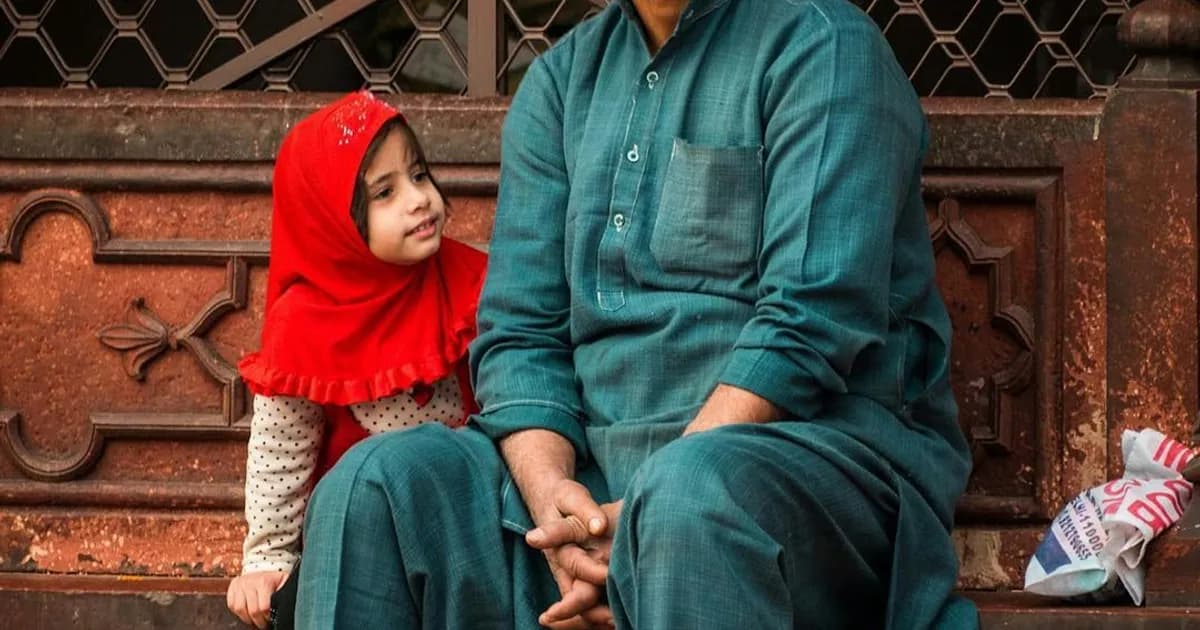
You know the feeling. You are sitting across from your ammi or abbu, maybe after dinner, and they say something that stops you mid-bite. A single sentence that carries the weight of decades. "Hamari bhi zindagi mein kuch seekhne ko mila." We learned a thing or two in our lives too.
And then the moment passes. The conversation shifts. That kernel of wisdom settles somewhere in the back of your mind, half-remembered, never written down.
Your elders have spent entire lifetimes collecting lessons that no degree, no book, and no search engine can replicate. They learned how to lose and keep going. How to love without expectation. How to hold a family together when everything pulled it apart. How to find contentment in a small kitchen with a cup of chai and the sound of rain on the roof.
These are not just memories. They are the operating system of your family's character. And most of them will disappear unless someone takes the time to capture them.
What Makes a Life Lesson Different From a Story
A family story tells you what happened. A life lesson tells you what it meant.
When your nani describes the year her family moved from Lahore to Karachi after Partition, that is a story. But when she pauses and says, "Us waqt humne seekha ke zindagi mein kuch cheezein chhodni bhi parti hain" — that is when we learned that some things have to be let go — that is a life lesson.
Stories give you the facts. Life lessons give you the framework for how your family navigated the world. They answer questions like:
- What did your elders believe was worth sacrificing for?
- What did they refuse to compromise on, even when it cost them?
- What did they learn about marriage, parenting, money, faith, and loss?
- What do they want their grandchildren to know before they go?
These lessons are the invisible inheritance. They shape how your parents raised you, how you raise your own children, and how your children will raise theirs. Capturing them is not a luxury project. It is the most important thing you can do for the generations that come after you.
Why Diaspora Families Lose More Than Language
For South Asian families living outside the subcontinent, the loss of life lessons happens faster than most people realize. It is not just that children stop speaking Urdu or Gujarati or Punjabi. It is that they stop hearing the values embedded in those languages.
When your dadi says "Waqt ki kadar kar" — value your time — she is not just teaching a phrase. She is passing down a worldview shaped by scarcity, by migration, by rebuilding a life from nothing. A child who only hears English loses the texture of that lesson. They get the words. They miss the weight.
The gap between generations in diaspora families is not measured in years. It is measured in untranslated wisdom. Your grandfather's belief that "rishtey mein izzat sab se zaroori hai" — respect is the most important thing in relationships — does not land the same way in English. It needs context. It needs his voice. It needs to be recorded, preserved, and handed forward.
That is where Qissa makes a difference. A Story Guide records warm conversations and collaborates with a professional writer to create an English, Urdu-English, or Sindhi-English family book. Learn more about how it works here.
The Lessons Your Elders Are Waiting to Share
Most of us ask our elders the wrong questions. We ask what they ate for breakfast or what year they moved to a new country. These are fine questions. They produce fine stories. But they rarely produce wisdom.
The questions that unlock life lessons sound different:
- "What is the hardest thing you have ever learned to accept?"
- "What do you know now that you wish you knew at my age?"
- "What is one value you tried to teach us that you hope never gets lost?"
- "If you could leave one message for your great-grandchildren, what would it be?"
These questions make people pause. They make people think. And they produce answers that a family can return to for generations.
Seven Categories of Wisdom Worth Capturing
To help you get started, here are seven categories of life lessons your elders carry. Pick one. Ask a question. Let them talk.
1. Resilience and Loss
Your parents and grandparents have lived through things most of us cannot imagine. Partition, military rule, economic collapse, migration to a new country with nothing. Ask them what kept them going. The answer will be more valuable than any self-help book.
2. Marriage and Partnership
South Asian marriages are often defined by duty, patience, and quiet sacrifice. Your ammi might have advice about marriage that she has never said out loud. Ask her. She is waiting for you to ask.
3. Parenting and Family
Your abbu raised you a certain way. Some of it you agree with. Some of it you do not. But understanding why he made those choices — what pressures and beliefs shaped his parenting — will change how you see him.
4. Faith and Spirituality
For many South Asian families, faith is not a Sunday activity. It is woven into daily life. The duas your ammi recites, the prayers your dadi never misses, the quiet trust in Allah that carried them through hard times — these are lessons that deserve to be preserved.
5. Money and Contentment
Your elders grew up in a world where nothing was wasted and everything mattered. Ask them what they learned about money, about enough, about knowing when you have enough. Their answer will challenge everything consumer culture has taught you.
6. Identity and Belonging
For diaspora families, the question "Where are you from?" is never simple. Your parents navigated being Pakistani or Indian or Bangladeshi in a world that did not always welcome them. Ask them how they kept their identity intact. Their response will help you understand your own.
7. Regrets and Advice
This is the hardest category. But it is also the most powerful. Ask your elders: "What would you do differently if you could live your life again?" The humility in their answer will stay with you forever.
How to Capture These Conversations Naturally
The biggest barrier to capturing life lessons is not time. It is the fear that the conversation will feel forced.
Here is the truth: your elders want to share this. They have been waiting for someone to ask. The trick is creating the right conditions.
Start with context, not questions. Do not sit them down and pull out a recorder. Instead, say something like: "Ammi, I have been thinking about how you raised us. I want my kids to know what you taught me. Can I record a few conversations with you so they can hear it in your own voice?"
This reframes the project. It is not an interview. It is a gift to the grandchildren.
Use WhatsApp voice notes. Your parents and grandparents already use WhatsApp. It is the least intimidating way to capture their voice. Send them one question a week. Let them answer at their own pace. The recordings accumulate faster than you expect.
Let silence do the work. When you ask a hard question, your elder will pause. Do not fill the silence. Let them sit with it. That is where the real answers live.
Record in their language. If your mother is more comfortable in Urdu, let her answer in Urdu. The translation can come later. Qissa supports English, Urdu, and Sindhi storytelling; Urdu and Sindhi editions are paired with English, and selected audio can be privately linked with approval. See what the book format looks like here.
"Maine kabhi nahi socha tha ke meri baatein itni important hain." I never thought my words were this important. This is what elders say when they realize someone is truly listening. That realization is the whole point.
Turning Lessons Into a Lasting Legacy
Collecting these conversations is only the first step. The real magic happens when you organize them into something your family can carry forward.
A single voice note on your phone will eventually be lost. A WhatsApp chat full of recordings will be buried under new messages. But a printed book — created from those same recordings, transcribed, translated, and arranged into chapters — becomes a permanent part of your family's story.
Each of the seven categories above can become a chapter. Resilience. Marriage. Parenting. Faith. Money. Identity. Regrets and advice. Together, they form a complete picture of what your elders believed, what they valued, and what they want you to carry forward.
You can start a Qissa with a warm onboarding call. A Story Guide then records one longer conversation or several shorter sessions and asks the follow-up questions that reveal new layers of wisdom. The process is designed to feel natural, not overwhelming. Start your family's Qissa here.
If you have questions about how the process works or what to expect, the FAQ page answers the most common concerns families have when they begin this journey.
The Cost of Waiting
There is a question that every diaspora child dreads. It comes after the funeral. "I wish I had asked them more. I wish I had recorded their voice. I wish I had written it down."
The time to capture your family's life lessons is not next month. It is not when you have more time. It is not when the kids are older. It is now. Your nani is here now. Your abbu is still telling stories. Your ammi is still waiting for you to ask.
Do not let their wisdom disappear with them. Pick up your phone. Send a voice note. Ask a real question. And turn the answer into something your grandchildren will one day hold in their hands.
That is the gift that keeps giving. That is a Qissa.
Read next
Keep building the family archive.
These guides connect the next question, recording habit, or heirloom idea so the archive feels easier to keep building.
May 17, 2026 · 13 min read
How to Preserve Your Family's Wisdom Before the Sayings Disappear
Every South Asian family has phrases that only one person still says. Learn how to capture your elders' proverbs, blessings, and wisdom before those words are gone forever.
June 19, 2026 · 10 min read
How to Write a Legacy Letter Your Family Will Treasure
A legacy letter captures your values, love, and life lessons for future generations. Learn how to write one your South Asian family will keep forever.
May 30, 2026 · 9 min read
Your Family's Smallest Stories Hold the Biggest Legacy
Wedding albums capture milestones, but your family's real legacy lives in everyday moments. Here is why the small stories matter most and how to save them.
Preserve the voice too