
How to Keep a Grandparent's Memory Alive Forever
When a grandparent passes, their stories risk fading too. Learn how to keep your grandparents' memory alive through family stories, voices, and rituals.
August 24, 2026 · 8 min read
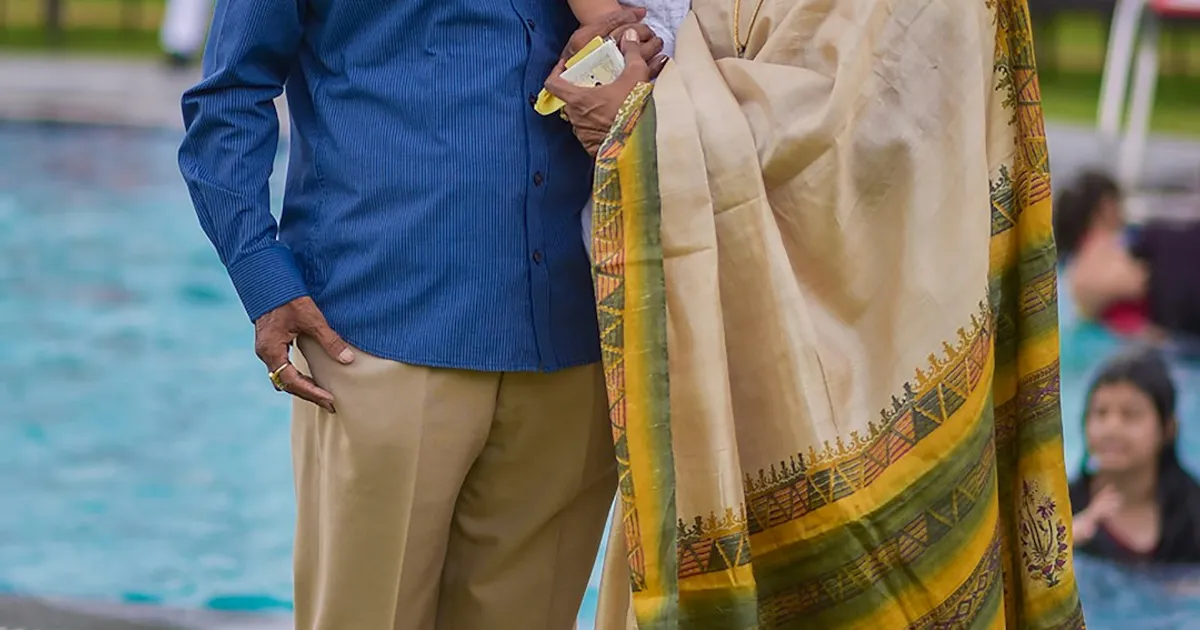
The phone call ends. The house is quieter than it has ever been. And somewhere between arranging the funeral and answering messages of condolence, a new fear arrives quietly: not only have you lost your Dadi or Dada, but you are about to lose everything they never got to tell you.
If you are searching for how to keep a grandparent's memory alive, you already understand something important. Grief is not just missing a person. It is missing the stories they carried, the voice you can no longer call, the phrases only they said. The good news is that memory does not have to fade the way photographs do. With intention, your grandparent's presence can remain a living part of your family for generations - not as a solemn portrait on a wall, but as a voice, a laugh, a story your children know by heart.
This guide will show you how, step by step.
Why Keeping Their Memory Alive Matters More Than You Think
Psychologists who study family storytelling, including researchers at Emory University, have found that children who know detailed stories about their family members develop stronger self-esteem, resilience, and a deeper sense of identity. When that family member is a grandparent who has passed away, the effect does not disappear. In many ways, it deepens.
A grandparent's memory gives your children an anchor. It answers questions they have not asked yet: Where did our family come from? What did great-grandmother value? Who do I resemble beyond my face?
There is also your own healing to consider. Grief counselors consistently find that people who actively engage with memories - telling stories, looking at photos, cooking a loved one's recipes - tend to move through grief more gently than those who avoid reminders. Remembering is not dwelling. Done well, it is how love continues.
We do not really lose the people we love until we lose the stories about them.
Start With What Already Exists
Before you organize anything new, gather what is already scattered across your family. Most families are surprised by how much survives: a voice note from two years ago, a birthday video, letters in an old trunk, a voicemail nobody could bear to delete.
Collect these fragments into one place:
- Voice recordings - WhatsApp voice notes, videos where they speak, old voicemails saved on a relative's phone
- Photographs - printed albums, camera rolls, pictures other relatives took that you have never seen
- Written traces - letters, greeting cards, notes in the margins of Quran pages or recipe books, their signatures
- Their things - the shawl she wore every winter, his watch, the teacup only he used
- Other people's memories - stories their friends, cousins, and neighbors can tell that your immediate family has never heard
Ask siblings and cousins to search their phones. Ask aunts and uncles to check old drawers. You are assembling evidence of a life, and everyone holds a piece.
Interview the People Who Loved Them Too
Here is what most guides on keeping a loved one's memory alive miss: your grandparent's story did not live in them alone. Your mother knew her as a daughter-in-law. Your uncle knew him as a younger brother. The neighbor in Lahore remembers a version of them you never met.
Sit down with the people who knew them and record what they remember. These conversations work best when they feel like remembrance rather than research:
- "What is the first memory you have of her?"
- "What did he do that made everyone laugh?"
- "What did she cook when someone was sad?"
- "What did he believe in that he never said out loud?"
- "What would she want us to remember about her?"
Record these on your phone. Voice matters enormously here - the way your aunt's voice cracks when she describes your grandfather's kindness carries its own kind of inheritance. If relatives live abroad, ask them to send voice notes instead. This works especially well in South Asian families, where speaking a memory aloud in Urdu or Punjabi often unlocks details that writing never would.
Tools like Qissa make this part simple: family members receive gentle prompts over WhatsApp, reply with voice notes in any language, and the memories are transcribed, translated, and shaped into a keepsake book. Instead of chasing relatives for months, the memories come to you one small story at a time. You can see how the process works at how it works.
Turn Their Story Into Something Your Children Can Hold
Memories stored in phones die with phones. Memories stored in minds fade within a generation. The families who keep a grandparent truly alive are the ones who turn remembrance into something physical, readable, and shareable.
Consider creating a family legacy book built around the grandparent who passed: their childhood, their migration journey, their marriage, their quirks, their duas before bed, the sayings they repeated until everyone could recite them. Pair their photographs with the voices you collected. Include the recipe written in their hand beside the translated version. A book like this becomes the single most effective answer to the question every grieving family eventually faces: "Who was she? I wish I could have met her."
You can get a sense of what such a book contains at inside the book, and if you are ready to begin gathering memories from relatives near and far, you can start a Qissa in minutes.
Build Small Rituals of Remembrance
Rituals keep memory warm without requiring effort. Choose a few that fit your family naturally:
- Cook their signature dish together once a month and tell one story about them while it simmers
- Play a saved voice note on their birthday instead of observing the day in silence
- Tell one "Dadi story" at family dinners, rotating between relatives so children hear different angles
- Recreate a tradition they led, whether it was the Eid morning breakfast or the way she tied rakhis or sewed Eid outfits
- Visit places that mattered - the mosque they attended, the street they grew up on, the shop where he bought everyone sweets
In many South Asian households, remembrance already lives in practice: reciting Fatiha for the departed, giving sadqa in their name, making their favorite food on significant days. These traditions are powerful precisely because they are shared. Extend them by adding stories to the ritual. Charity given in their name lands differently when you also tell your children why that cause mattered to them.
Let Children Know Them Through Story
Your children may be young now, or not born yet. Either way, they deserve to know the person whose name they might carry or whose laugh echoes in yours. Children connect with deceased grandparents through specificity:
- Not "she was kind" but "she fed the sparrows behind the house every morning before her own breakfast"
- Not "he was wise" but "he never raised his voice; when he went quiet, everyone listened"
- Not "we loved her cooking" but "she made aloo parathas on Sunday mornings and hid extra sugar in the ones for grandchildren"
These details survive only if someone records them. This is the quiet tragedy most families discover too late: the general impression of a person lasts, but the specifics evaporate within ten years unless they are written down or recorded. Capture the specifics now, while aunts still remember and cousins still laugh about the same jokes.
Handle the Hard Days Together
Birthdays, death anniversaries, and Eid mornings without them will ache. Plan for these days rather than being ambushed by them:
- Gather the family and listen to old recordings together
- Read a chapter from the family book aloud, letting a different person read each year
- Look through photographs and let each person share one memory
- Write them a short letter; some families keep a notebook where anyone can write to the grandparent they miss
Shared grief is lighter grief. A family that remembers together heals together.
Begin Before the Details Fade
If your grandparent has recently passed, be gentle with yourself. You do not need to build anything elaborate right away. Start with one action today: save every recording of their voice into one folder. Message one relative and ask for their favorite memory. That is enough for now.
And if your grandparents are still with you, let this be the nudge. The surest way to keep a grandparent's memory alive is to capture it while they can still tell it themselves - in their words, their language, their voice. Every story you collect now is one your family will not have to reconstruct later from half-memories.
Whether you begin by collecting voice notes from relatives about someone you have lost, or start recording your elders' stories today, the destination is the same: a family that knows where it comes from. When you are ready, Qissa turns those scattered memories - voice notes, translations, photographs - into a bilingual book your children will grow up with, so that no one in your family ever has to ask who Dadi was. They will already know.
Read next
Keep building the family archive.
These guides connect the next question, recording habit, or heirloom idea so the archive feels easier to keep building.
August 20, 2026 · 10 min read
How to Preserve Family Stories on Your Visit Home
Your annual trip home is the best window to record your elders' stories in person. Here is how to preserve family stories during your visit to Pakistan.
August 18, 2026 · 11 min read
How to Preserve Your Parents' Work Stories Before They Fade
Your parents' work stories are fading with the generation that lived them. Preserve the jobs, sacrifices, and family business stories that built your legacy.
August 16, 2026 · 10 min read
Preserve Your Grandmother's Crafts Before They're Lost
Your grandmother's phulkari, chikankari, and quilting skills live in her hands. Learn how to preserve her traditional crafts before the skills are gone forever.
Preserve the voice too