How to Preserve Family Wedding Stories Before They Fade
The stories behind your family's weddings are fading with the elders who lived them. Learn how to preserve South Asian shaadi memories before they disappear.
July 17, 2026 · 10 min read
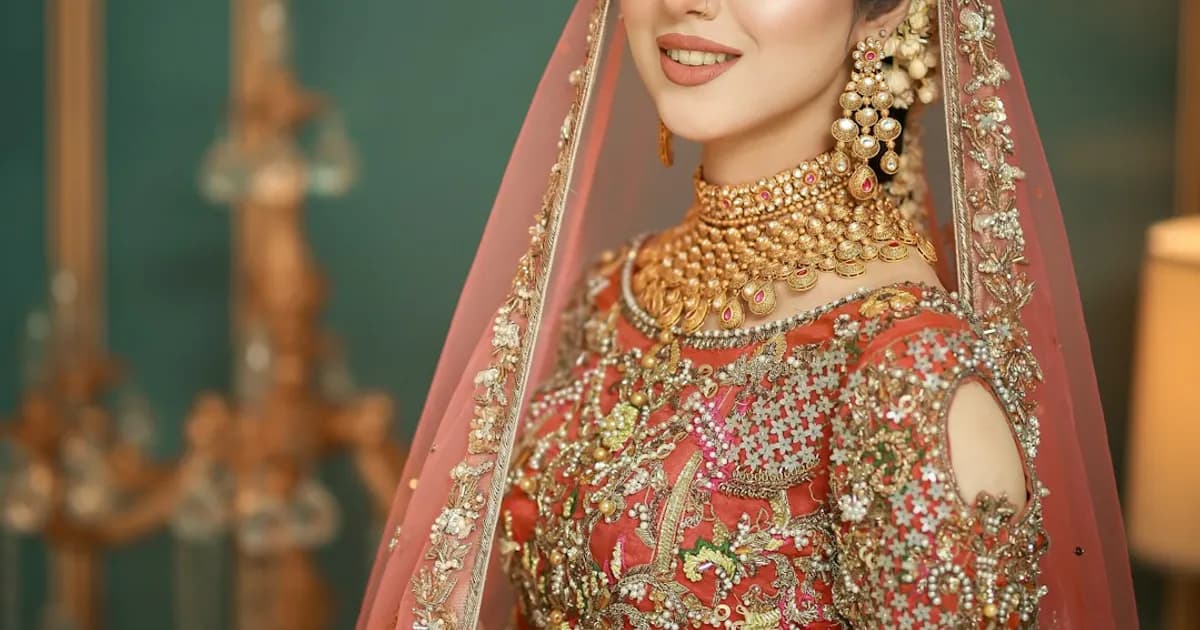
There is a wedding album in almost every South Asian home, closed on a shelf, holding photographs no one has opened in years. The bride is younger than you are now. The groom's hair is still black. The family around them is half made of people who are no longer alive.
You know the pictures. You do not know the stories behind them.
Who chose the color of the lehenga? Why did the baraat arrive three hours late? What was the fight about during the meal, the one everyone still hints at but no one explains? What did your grandmother say to your mother the night before the rukhsati, alone, in a room no one else was allowed to enter?
A wedding is the most documented day in a family's life, and the least explained. The photographs preserve how everything looked. The stories that actually carry the meaning live only in the people who were there, and those people are not going to be there forever.
Why wedding stories are the heart of South Asian family history
A South Asian wedding is not a single day. It is a sequence of rituals that can stretch across a week, each one carrying meaning passed down for generations. The dholki nights, the mehndi, the baraat, the rukhsati, the valima. Each stage is a chapter in a story your family has been telling longer than you have been alive.
When you preserve a wedding story, you are not preserving a party. You are preserving the moment your family became itself. A wedding is when two family lines joined, when your mother became your mother, and the family you know actually began.
For diaspora children, the wedding is also the last great gathering. South Asian weddings are one of the few occasions where the entire extended family assembles in one place. The people who came to your parents' wedding came from villages, cities, and countries, carrying stories about your parents and grandparents that were in that room.
But the album on the shelf cannot speak, and the guests are not getting younger.
What disappears when the wedding generation is gone
A wedding looks permanent because it was photographed. The photographs are permanent. The meaning is not.
Here is what gets lost when the people who lived the wedding are gone:
- The reason behind every ritual, beyond "that is what we do"
- The names and relationships of every face in the group photographs
- The small disasters that became family legend, the missed flight, the burned dish, the uncle who fainted
- The words spoken in private, the blessings, the warnings, the advice given to the bride
- The songs that were sung at the mehndi, which exist nowhere on paper
- The cost of things, the sacrifices made, what was borrowed and what was never returned
- The feeling in the room, who was happy, who was not, and why
A photograph records a face. A story records a life. When the last person who can point at a photograph and tell you what was happening in that moment is gone, it becomes a beautiful, silent object.
A wedding album without the stories is a family portrait painted with no names. You can see the love. You cannot find the people in it.
Questions to ask your elders about the shaadi
The right questions unlock the wedding the way it was actually lived, not the polished version that survived in the photographs. Elders often assume their wedding is not interesting because "everyone has a wedding." Yours is the only one that explains your family.
Ask questions that reach for sensory detail and emotion, not a timeline:
- What did the house smell like during the wedding week?
- Who stayed up all night, and what were they doing?
- What was the first thing your father said when he saw your mother?
- What song did everyone sing at the mehndi, and who had the best voice?
- What did your grandmother wear, and where did she sit during the baraat?
- What went wrong that no one talks about openly now?
- Who cried the most, and who refused to cry at all?
- What did your parents say to each other when they were finally alone?
These questions work because they ask for a moment, not a summary. A summary is "the wedding was nice." A moment is "your father dropped the ring and the whole mehfil laughed." The moment is the story. The summary is nothing.
How to capture the rituals, not just the photos
The rituals are where the meaning lives, and where the memory is thinnest. The mehndi was sung, not written. The dholki was played, not recorded. The rukhsati was felt, not filmed.
Capture the rituals by asking your elders to walk through the wedding in order, from the night the family arrived to the morning after. Do not ask "tell me about the wedding." Ask "what happened, hour by hour." This forces the storyteller to relive the sequence rather than summarize it, producing more detail than any other approach.
Record these conversations by voice. The wedding story told in Urdu, Punjabi, Bengali, or Sindhi sounds nothing like the same story in English. The blessings rhyme in the original language. The jokes land in the original language. The tenderness between a mother and daughter on the night before the rukhsati belongs to a language that does not translate cleanly.
Voice captures the silences too, the pause where your mother gathers herself, the laugh your father holds back. Text cannot do this. The process on How it Works is built around voice capture so the original language and the emotion inside it are never lost in translation.
Preserve the wedding songs and mehndi memories
The mehndi songs are among the most fragile pieces of your family's heritage. They were never written down. They were passed from woman to woman, sung at dholki nights and then forgotten by everyone except the ones who actually sang them.
These songs exist only in the voices of the women who sang them, and many of those voices are already gone.
If your grandmother, mother, or aunt can still sing even one of the mehndi songs from your parents' wedding, record it today. Not next Eid. Today. Record it on your phone in whatever quality you can. A scratchy voice memo of your grandmother singing a half-remembered mehndi song is worth more to your family than any professional wedding video.
Ask for the words and what each line meant. Many of these songs are playful, teasing the groom's family or blessing the bride, and some carry old rural phrases even the singer no longer fully understands. Write down the lyrics in the original script if you can, with a translation beside them, so the mehndi survives even after the last singer is gone.
You can see how this kind of bilingual preservation looks on the page at Inside the Book, where the original words sit beside the translation so the song is never flattened out of its language.
Turn wedding stories into a family legacy book
A folder of voice memos and a stack of old photographs are a beginning, not a legacy. Voice memos get lost when a phone is replaced, and photographs stay in albums no one opens. The wedding stories deserve a form that lasts longer than a device.
A family legacy book gathers the wedding stories into a single volume the whole family can hold. The rituals become chapters. The songs become pages with their lyrics and translations. The old photographs sit beside the stories that explain them, so the silent faces finally get their names back. The voice recordings are linked through QR codes, so your grandmother's mehndi song can be heard by a great-grandchild she will never meet.
This is what turns a wedding from a memory into an heirloom. A book on a shelf is not deleted in a phone upgrade. It is opened at the next wedding, read by a grandchild who was not born when the photographs were taken, but who will always know the family's story began with a baraat that arrived three hours late and a bride who laughed through the whole thing.
If you are ready to begin, starting a Qissa takes only a few minutes, and a warm Story Guide knows how to draw out wedding stories even when an elder is not sure where to begin.
A wedding anniversary gift that finally means something
Most anniversary gifts are objects: a watch, a frame, a piece of jewelry. These are lovely, and forgotten within a generation. The watch stops, the frame breaks, the jewelry is divided. Nothing of the couple's actual story survives the object.
A wedding stories book is the only anniversary gift that becomes more valuable every year, because every year makes the stories inside it rarer. The book you give your parents for their thirtieth anniversary will be irreplaceable the day they are gone, because the voices inside it will be voices your children can no longer call.
Do not wait for a milestone. The fortieth feels far away, and the people who remember the wedding may not be there for it. The stories of the shaadi are at their richest right now, while the people who lived them can still speak. A book started this year can still include the mehndi song, the fight over the food, and the blessing your grandmother gave in a language you almost understand.
For guidance on capturing stories from elders who hesitate, the FAQ addresses the most common concerns, including how to begin when your parents insist the wedding was "nothing special."
What if your parents say the wedding was nothing special
This is the most common wall you will hit. Many South Asian parents, especially mothers, will wave off their own wedding as unimportant. "Kya batayen, bas ho gayi thi," they will say. It just happened. Nothing to tell.
There is no such thing as a wedding with no story, only a story your parent has decided no one wants to hear. Do not ask for "the wedding story." Ask for one small thing. "What did Dadi say to you the night before the rukhsati?" One specific question reaches past the dismissal in a way a broad question never does. One memory unlocks the next, and the next, and suddenly the wedding that was "nothing special" is a two-hour conversation your mother did not want to end.
The dismissal is often protection, not disinterest. Some weddings hold grief alongside joy. A parent who lost their own mother young may not want to revisit a wedding where that absence was felt. Move gently. Let the difficult stories come on their own terms, and never push past a silence. The silence is also part of the wedding story.
The wedding is the first chapter your children deserve
It is easy to think of your parents' wedding as their story, not yours. You were not there. You were not even imagined yet. The album belongs to them.
But the wedding is the first chapter of the story that produced you. The family that stood in those photographs is the family that made you. The rituals they performed are the rituals you will be expected to perform, or to refuse, or to reinvent. The songs they sang are the songs that should be singing your children to sleep, if anyone had bothered to write them down.
When you preserve your family's wedding stories, you are not building nostalgia. You are handing your children the beginning of their own story, told in the voices of the people who lived it, in the language it happened in.
Start with one question. Send it today. The shaadi is closer than you think, as long as the voices that remember it are still here to answer.
Read next
Keep building the family archive.
These guides connect the next question, recording habit, or heirloom idea so the archive feels easier to keep building.
July 16, 2026 · 10 min read
How to Preserve Your Family's Ancestral Village Stories
Your family's ancestral village holds stories no one is recording. Learn how to preserve your South Asian elders' gaon memories before they fade forever.
July 10, 2026 · 10 min read
How to Preserve Family Stories When You Live Thousands of Miles Away
Practical ways to preserve family stories long distance. Learn how diaspora families can capture grandparents' memories across countries and time zones.
July 6, 2026 · 11 min read
How to Create a Family Tree for Your South Asian Family
Learn how to create a family tree for your South Asian family. Capture names, relationships, and stories across generations before the details fade away.
Preserve the voice too