
Questions to Ask Your Abbu Before His Stories Fade
Thoughtful questions to ask your dad before his stories fade. Capture your Abbu's childhood, sacrifice, love story, and wisdom in a lasting keepsake book.
September 12, 2026 · 10 min read
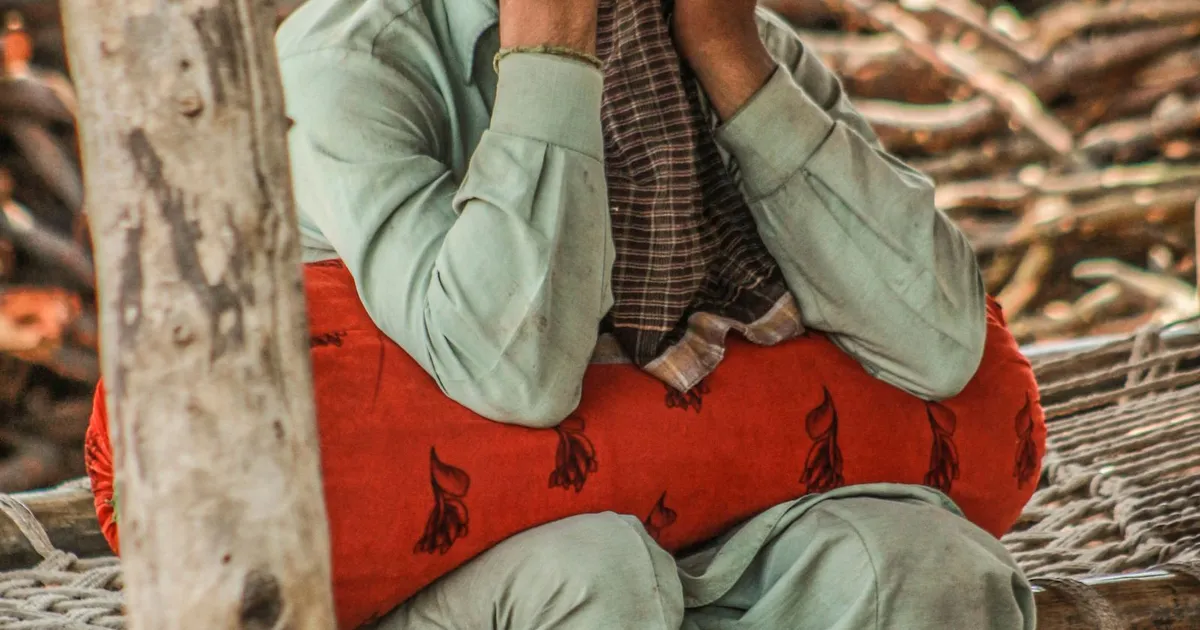
The best questions to ask your dad are often the ones you have never thought to ask. You know your Abbu as the man who pays the bills, fixes what is broken, drives everyone to the airport, and says sab theek ho jayega when life feels uncertain. But who was he before he was your father.
Most South Asian families know surprisingly little about their fathers as people. We know their rules, their routines, their expectations. We know what time they want dinner on the table and which news channel they trust. What we do not know is what scared them at eighteen, what they dreamed about before responsibility arrived, or what it felt like to hold their first child and realize nothing would ever be the same.
Abbu stories fade differently from other family stories. Dadi tells her memories over chai without being asked. Nani sings old songs while she cooks. Abbu stays quiet. Not because he has nothing to say, but because no one ever created the space for him to say it.
Why Abbus rarely tell their own stories
If you are searching for questions to ask your Abbu, you already sense the urgency. South Asian fathers of his generation were raised to provide, not to narrate. Feelings were shown through action. Love arrived as school fees paid on time, a house kept standing, a daughter's wedding arranged with care, a son sent abroad with borrowed money and a whispered dua at the airport.
Ask him directly about his life and he will likely deflect. Meri kahani mein kya rakha hai. What is there in my story. Or he will laugh and change the subject. Or he will give you a two sentence summary that covers forty years: studied, worked, married, raised you. Finished.
This deflection is not rejection. It is habit, modesty, and a lifetime of believing his value sits in what he built, not in what he felt while building it. Your job is not to interview him like a journalist. Your job is to open one small door at a time.
Start with curiosity, not ceremony. One question over dinner. One voice note on WhatsApp. One memory triggered by a photo.
How to ask your Abbu so he actually answers
Timing matters more than wording. Do not sit him down with a notebook and announce a project. Catch him where he is already relaxed.
- Ask after dinner when the plates are cleared and the television is on low
- Ask during a drive, a walk, or while repairing something together
- Ask over the phone when Ammi is busy and he has a few quiet minutes
- Ask through a photo: send an old picture on WhatsApp and ask what was happening that day
- Ask for advice first, then follow with a story question
Let him answer in the language he thinks in. If that is Urdu, Punjabi, Hindi, or a mix of English and mother tongue, keep it that way. A story recorded in his own words carries his humor and his pauses. Translation can come later. You can learn more about that gentle approach on How it Works, where voice notes become printed chapters without losing the original voice.
And record with permission. A phone on the table is enough. Tell him you want your children to know his voice. Most fathers agree when they understand it is for the grandchildren, not for show.
Start with his childhood
Childhood questions work because they feel safe. They do not ask about failure or regret. They invite sensory memory: streets, food, school, friends.
Ask your Abbu:
- What was your childhood home like. Who lived there with you
- What did your street smell like in the morning. What sounds woke you up
- Who was your best friend as a boy. What trouble did you get into together
- What games did you play in the gali or village ground
- What did you eat on ordinary days. What did you eat when guests came
- What was school like. Which teacher do you still remember
- What did your own Abbu do when you were small. What do you remember about your Ammi from that time
Listen for the small detail
When he says he walked to school, ask how far. When he names a friend, ask if they are still in touch. When he mentions a food, ask who cooked it. The follow up question is where the real story lives.
Ask about his youth and becoming a man
This is the chapter most children never hear. The years between boyhood and fatherhood, when your Abbu had dreams that had nothing to do with you.
Try these questions to ask your dad about his youth:
- What did you want to be when you were eighteen
- What was your first job. How did you get it
- What was your first salary. What did you do with it
- Did you ever leave your city or village for the first time. What do you remember about that journey
- Who were your heroes at that age
- What music did you listen to. Did you ever go to the cinema in secret
- What was the bravest thing you did before marriage
For many South Asian fathers, this period includes migration. A move from village to city. From Pakistan to the Gulf. From home to a country where he did not speak the language. Ask gently about those first months. What surprised him. Who helped him. What he missed most.
A father who will not talk about his feelings will often talk about his journey. Every bus ticket, visa stamp, and first night in a strange room carries the feeling inside it.
Ask about love, marriage, and becoming Abbu
Many sons and daughters have never asked their father how he met their mother. In South Asian families the story is often treated as private or already known. It is rarely either.
Ask with warmth and a little humor:
- How did you first hear about Ammi. What did you think
- Do you remember the wedding day. What went wrong that no one talks about now
- What was the first house you lived in together like
- When did you find out you were going to be a father. How did you feel
- Do you remember holding me for the first time
- What scared you most about becoming a parent
- What did you want to do differently from your own father
Why these questions matter
These answers change how you see your parents. A man who seems strict about money sounds different when you learn he borrowed for your delivery charges.
One daughter recorded her Abbu describing how he stood outside the examination hall during her board exams, pretending he had an errand nearby. She had never known. That two minute voice note is now the most replayed page in their family book. You can see how voice and print sit together on Inside the Book.
Ask about work, money, and sacrifice
Work stories are legacy stories. Yet children often know the job title and nothing else. They do not know the cost behind it.
These questions to ask your Abbu about work open that door:
- What was the hardest period of your working life
- Was there a time you almost lost everything. Who stood by you
- What are you most proud of building, earning, or providing
- What did you give up so the family could move forward
- What advice about money do you wish someone had given you at twenty five
- If you could go back, would you choose the same work
Ask about the people, not just the paycheck. Who was his favorite colleague. Who taught him the trade. Who lent him money without paperwork. South Asian fathers often measure success in people supported, not promotions earned.
Ask about values, faith, and the things he carries quietly
Older Abbus think about meaning more than they admit. They pray longer. They visit old friends in hospitals. They keep small habits no one notices. These questions invite reflection without pressure.
- What dua do you make most often. Who taught it to you
- What has faith taught you about hard times
- What is the biggest mistake you made, and what did it teach you
- What do you wish you had said to your own parents while they were alive
- What does izzat mean to you now, compared to when you were young
- What do you want your grandchildren to know about being a good man
- What are you still trying to forgive or forget
Do not rush these answers. If he deflects with a joke, smile and return later. Some answers arrive days after the question, often as a late night voice note that begins with beta, tum ne poocha tha.
Ask the fun ones he will actually enjoy
Not every question needs to be heavy. Fathers open up faster when they are laughing.
Keep a few light questions ready:
- What was your favorite food as a boy. Can anyone still make it like that
- Which cricket match do you still talk about. Where were you when you watched it
- What was your first bicycle, motorcycle, or car like
- What film songs do you still remember by heart
- What joke or story do your old friends always repeat about you
- What would you cook if Ammi was away for a week
- If you had one free week with no responsibilities, what would you do
Food, cricket, films, and friends unlock memory faster than any formal prompt. Record these too. A family legacy is not only sacrifice and wisdom. It is also laughter and the way your Abbu imitates a commentator or sings an old song slightly off key.
How to save his answers before they fade
Collecting questions to ask your dad is only half the work. Saving the answers is what turns conversation into legacy.
Start simple this week:
- Pick three questions from different sections above
- Send one by voice note or ask it in person over chai
- Record with his permission on your phone
- Save the audio with his name, the date, and the question
- Repeat next week with one more
Once you have five to ten recordings, you have the beginning of a book. Qissa was built for scattered voice notes in Urdu, Punjabi, Hindi, or mixed English, turned into bilingual chapters your children can read and listen to. The process is explained on How it Works, and common worries about language, privacy, and time are covered on FAQ.
If you are ready to begin, visit Purchase to start a book for your Abbu. You do not need everything recorded first. You can start with what you have and add stories as he shares them.
A final note for the bridge generation
You are the bridge between your Abbu and your children. Your father lived a life your children cannot imagine: a different country, a different economy, a different idea of what a man should be. Your children live a life your father cannot always understand. You are the only person who fully belongs to both worlds.
Asking your Abbu these questions is not just about preserving the past. It is about giving your children a grandfather they can know in his own voice and his own words.
Start with one question tonight. Call him. Ask about his best friend as a boy, or his first salary, or what he remembers about the day you were born. Then listen all the way to the end.
His stories are still here. Make sure they stay.
Read next
Keep building the family archive.
These guides connect the next question, recording habit, or heirloom idea so the archive feels easier to keep building.
September 10, 2026 · 10 min read
Preserve Your Family's Childhood Games Before They Fade
Your elders' pitthu, kanchay and gully cricket memories hold precious family history. Learn simple ways to preserve childhood games before they fade forever.
September 8, 2026 · 10 min read
How to Preserve Old Family Newspaper Clippings
Learn how to preserve old family newspaper clippings, scan them safely, capture the stories behind them, and build a lasting archive your family can revisit.
September 6, 2026 · 10 min read
How to Interview Grandparents Across a Language Barrier
Learn practical ways to interview your South Asian grandparents across a language barrier, preserving their voice, heritage stories, and immigrant wisdom.
Preserve the voice too